Author Archives: Lloydville

A PULP PAPERBACK COVER FOR TODAY
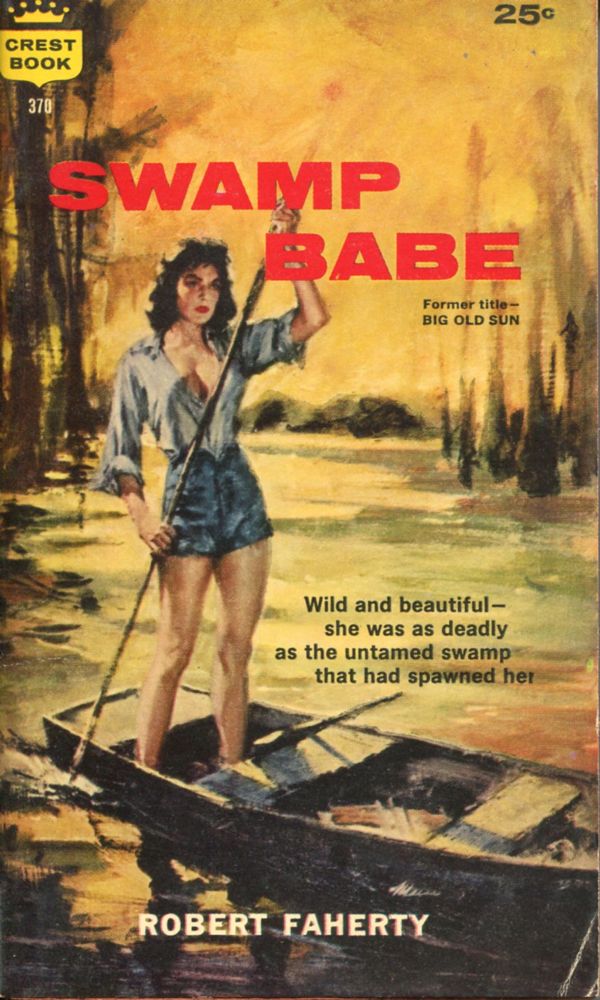
Wild, beautiful, deadly — bring it on!
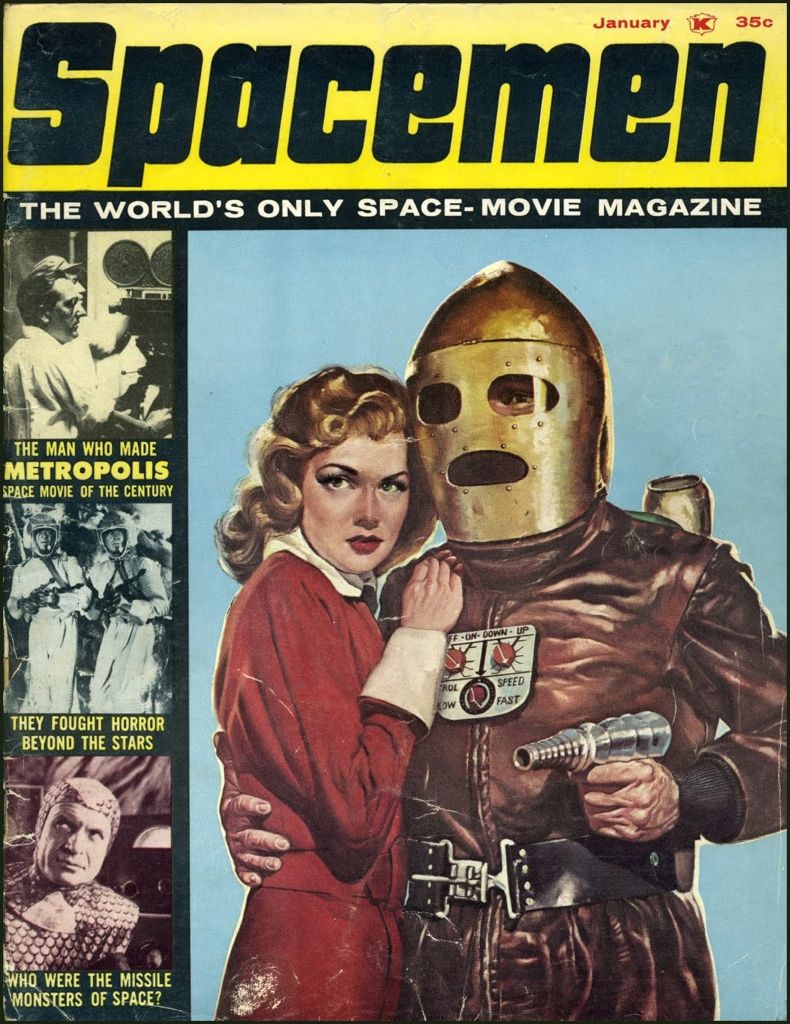
A MOVIE MAGAZINE COVER FOR TODAY
A GIL ELVGREN FOR TODAY
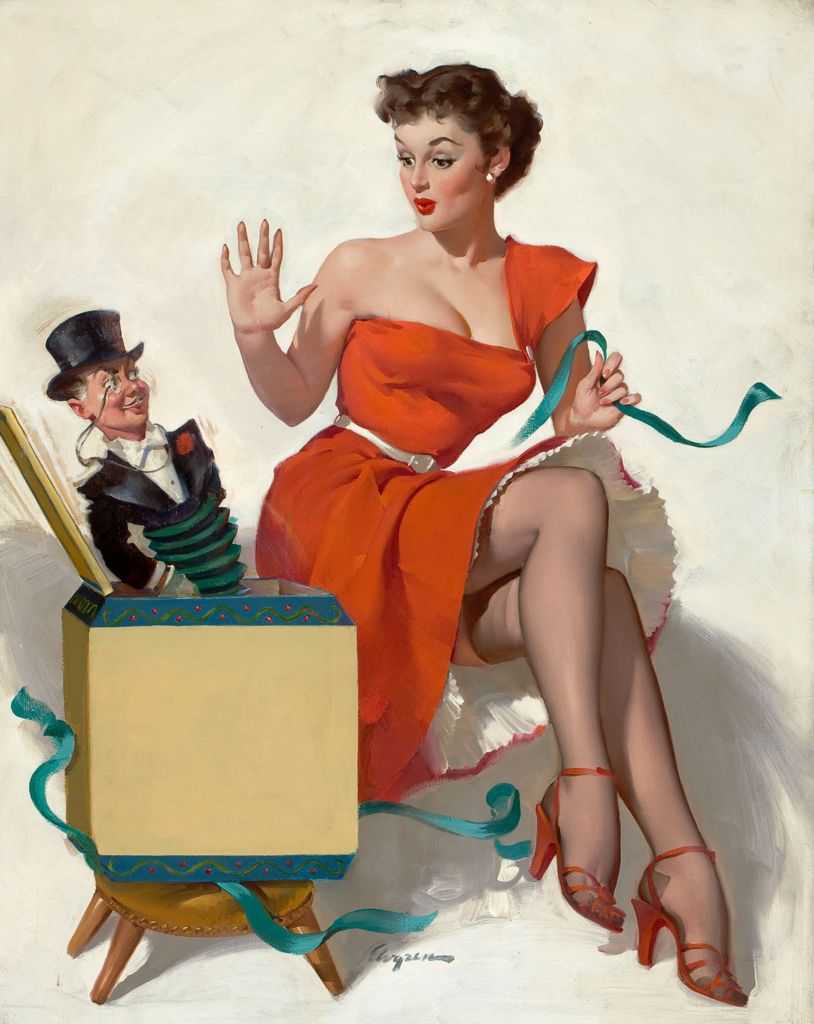
Women playing with small figures of men — puppets, paper cut-outs — was a recurring theme in the classic era of the pin-up.
Click on the image to enlarge.
AN LP COVER FOR TODAY
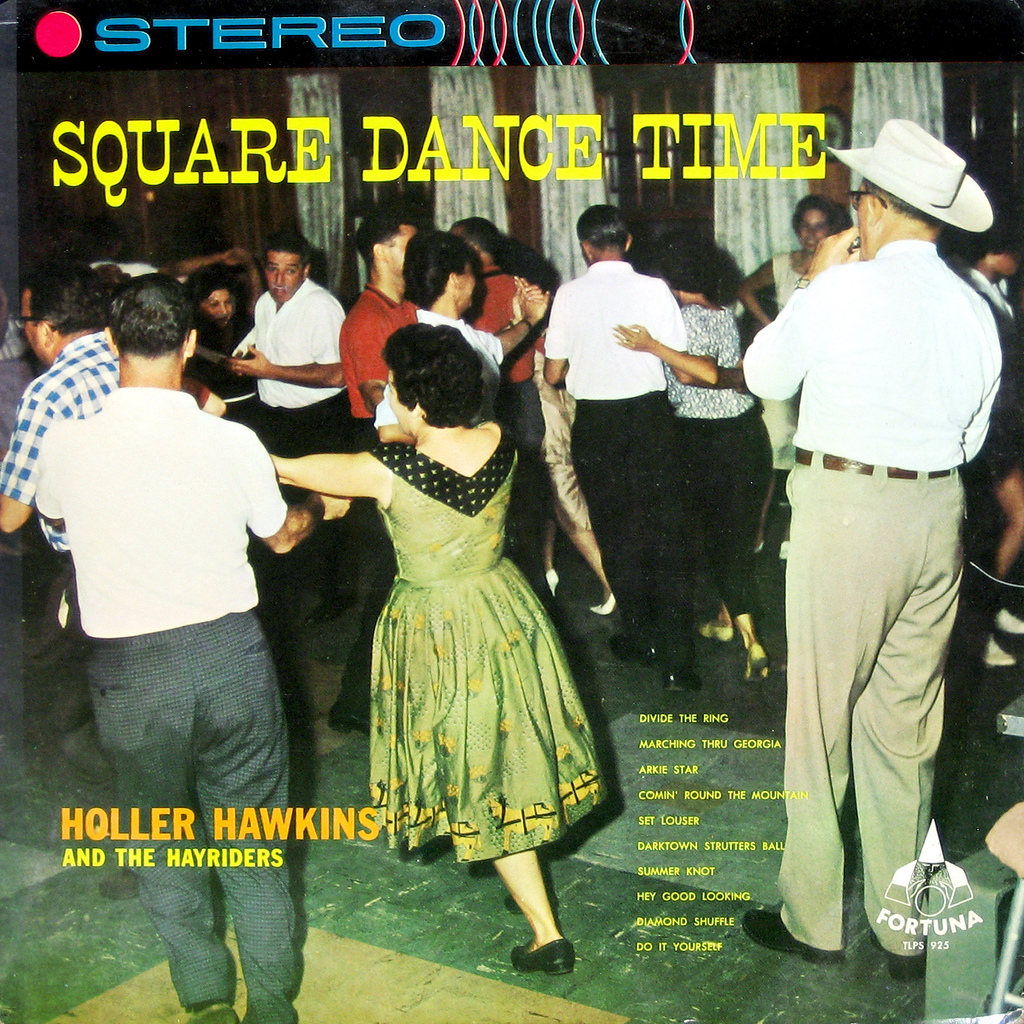
Click on the image to enlarge.
A JOHN SINGER SARGENT FOR TODAY
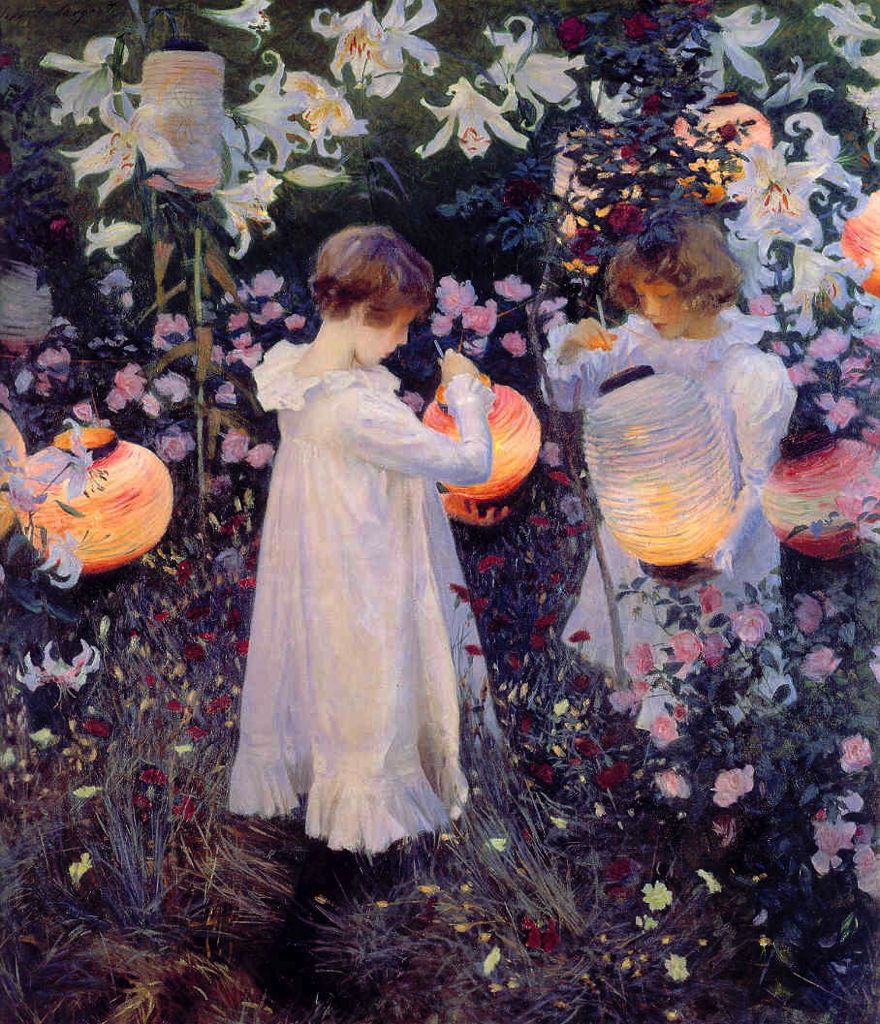
Carnation, Lily, Lily, Rose — named for a popular song of the time. This image totally enchants me.
Click on it to enlarge.
A PULP PAPERBACK COVER FOR TODAY
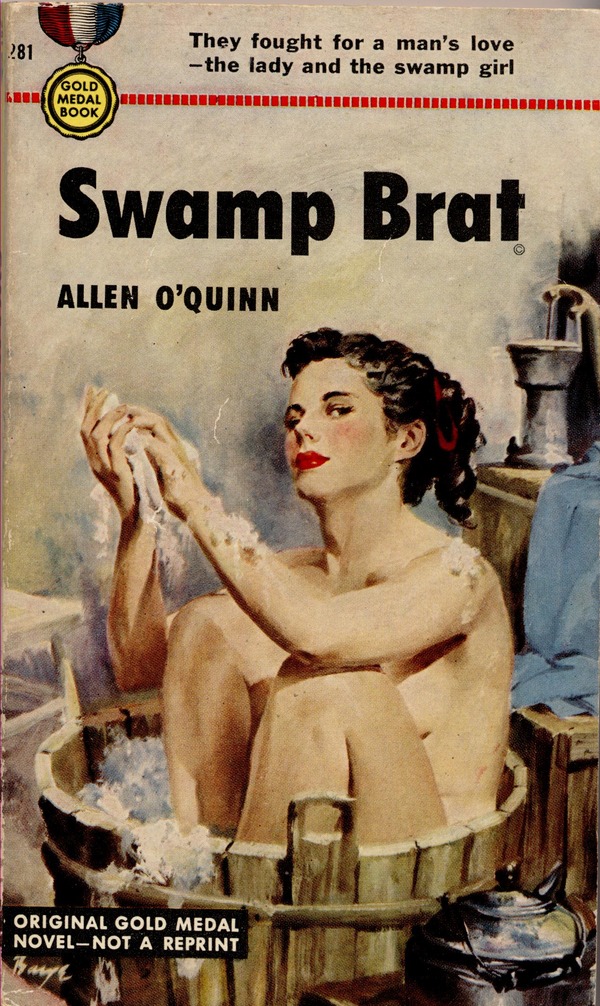
I’m guessing the swamp brat wins.
NEW DJANGO UNCHAINED TRAILER
CUSTER’S LAST FIGHT
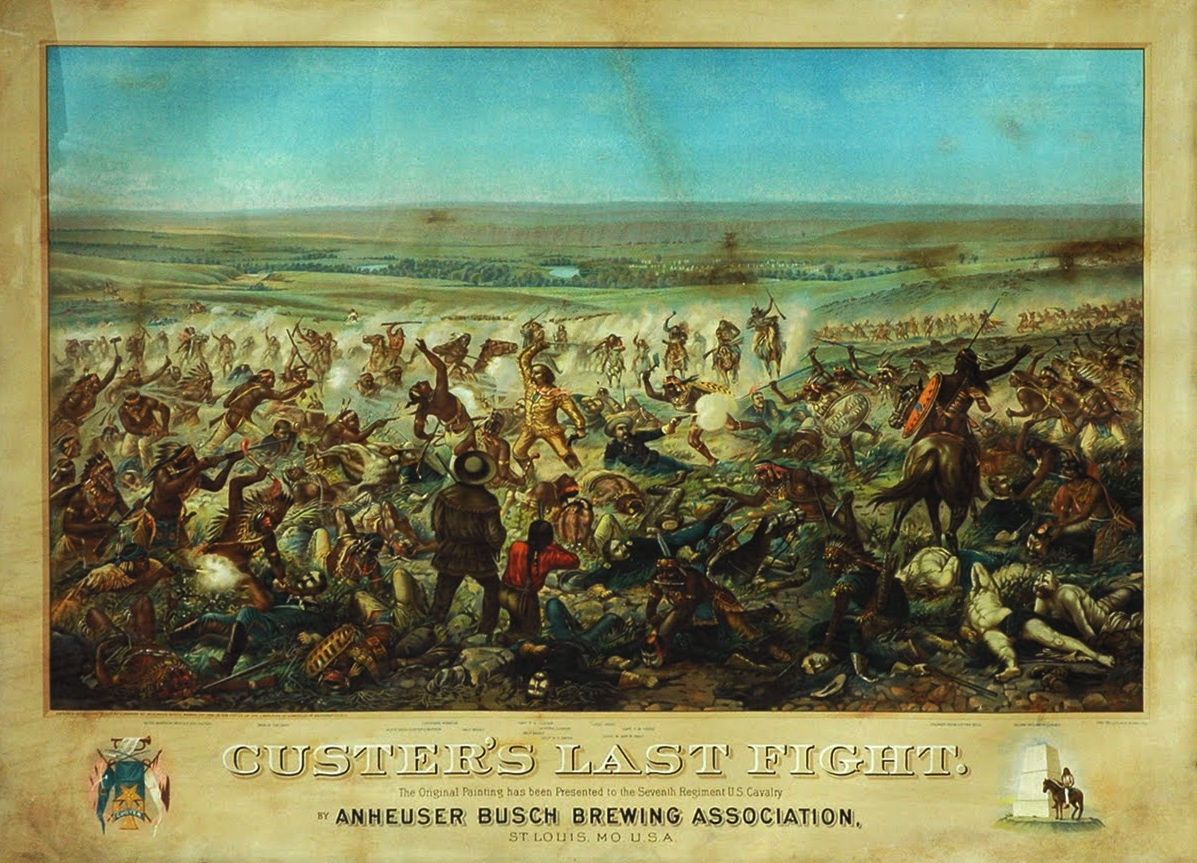
In 1884, eight years after George Armstrong Custer’s death, the Anheuser-Busch brewing company commissioned an original oil painting, Custer’s Last Fight, by Cassilly Adams. It was reproduced as a lithograph by F. Otto Becker in 1889 and distributed as an advertising poster by Anheuser-Busch. This depiction of the Battle Of the Little Bighorn undoubtedly hung in more saloons than any image before or since, and fixed the iconography of Custer’s last moments in the national imagination.
Click on the image above to enlarge.
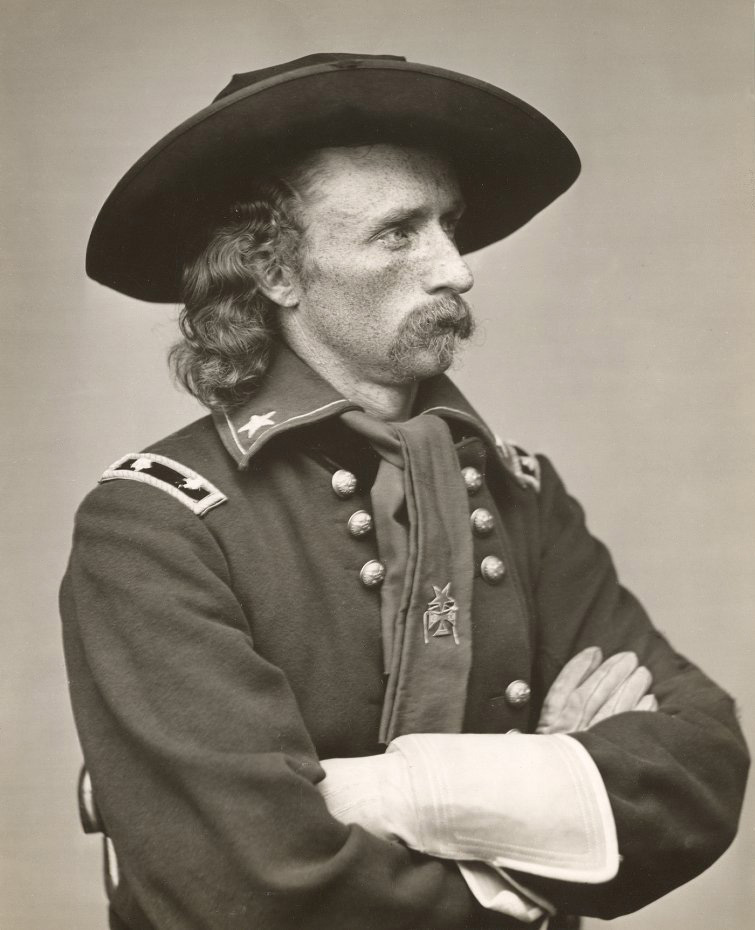
It’s inaccurate on a number of counts. Custer had short hair at the time of the battle, and the fighting probably never got so close and tangled. The Indians were better armed than Custer’s troopers, with repeating rifles, and, except for isolated charges to count coup, would have picked off the soldiers from a safer distance.
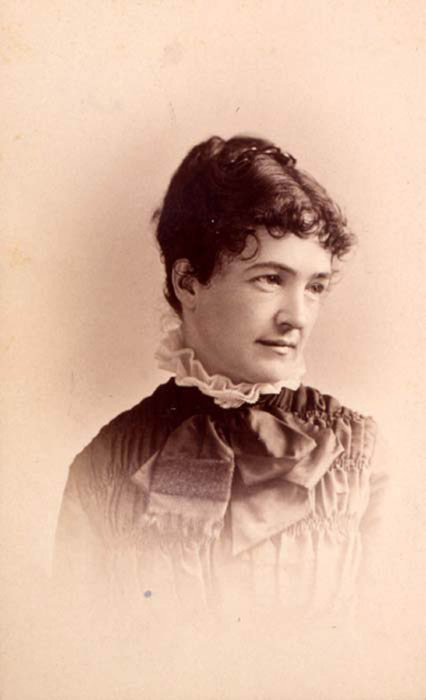
Still, it served the Custer myth, which his wife Libbie (above) spent the rest of her long life burnishing, primarily through a series of well-written memoirs of her years on the plains with Custer. They are considered factually accurate but obviously have a slanted point of view.
According to the Brookston Beer Bulletin website the lithograph is the oldest piece of American breweriana known to exist.
A ROBERT G. HARRIS FOR TODAY
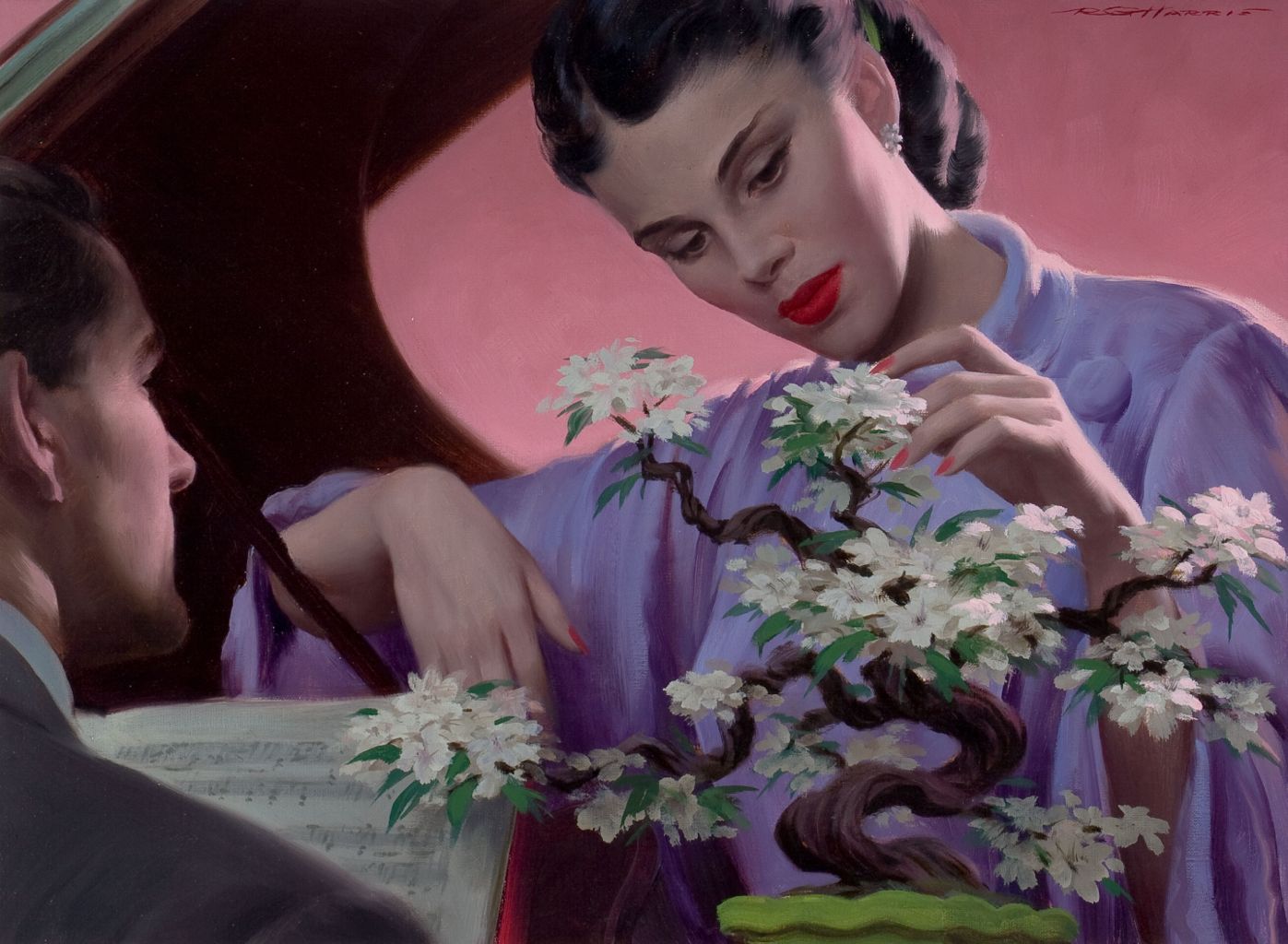
Click on the image to enlarge.
AN LP COVER FOR TODAY
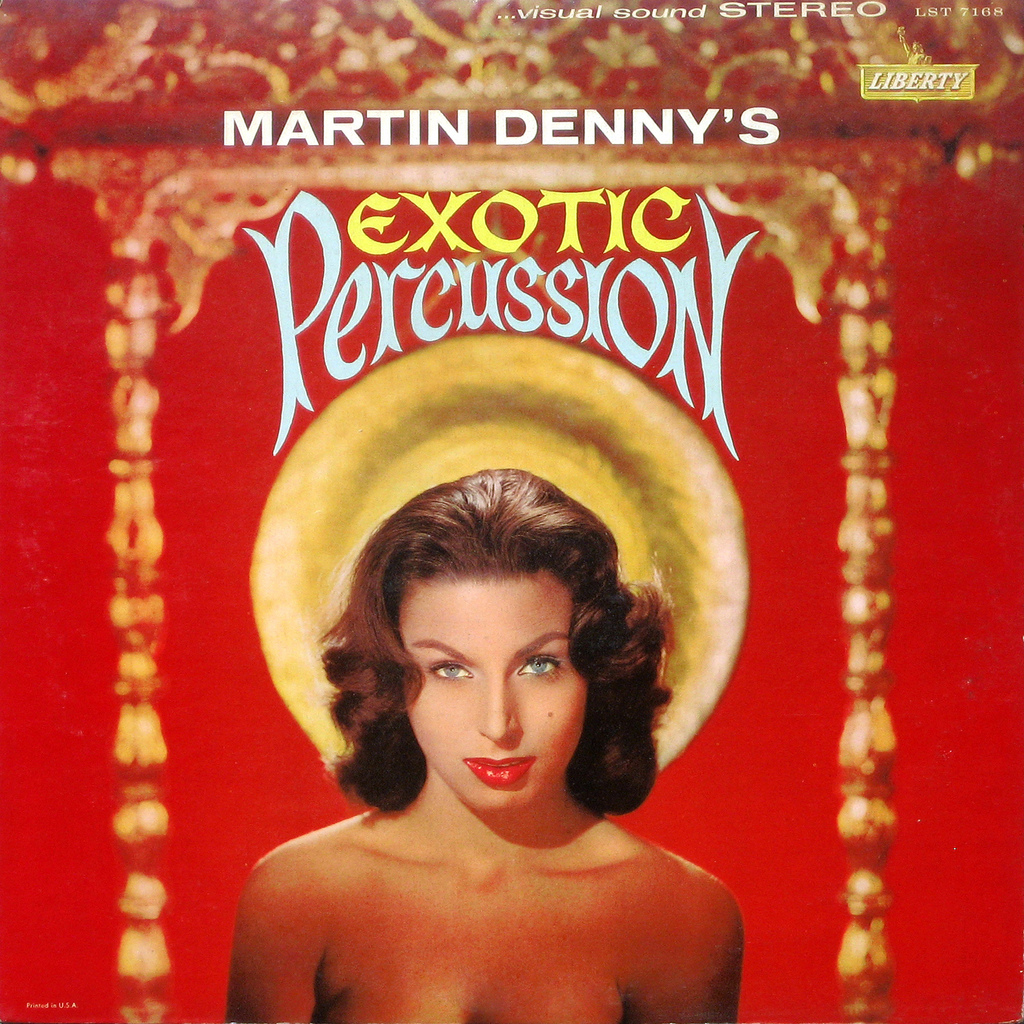
Click on the image to enlarge.
A WESTERN MOVIE POSTER FOR TODAY
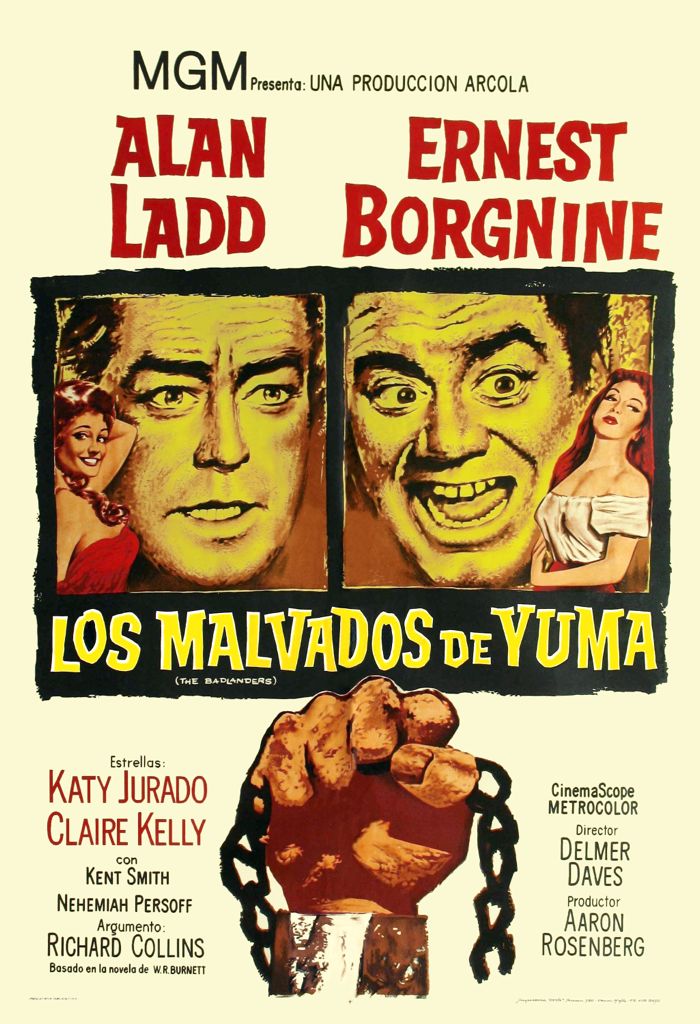
A reworking of The Asphalt Jungle in a Western setting. Katy Jurado is stupendously sexy in this film.
Click on the image to enlarge.
A JAMES MONTGOMERY FLAGG FOR TODAY
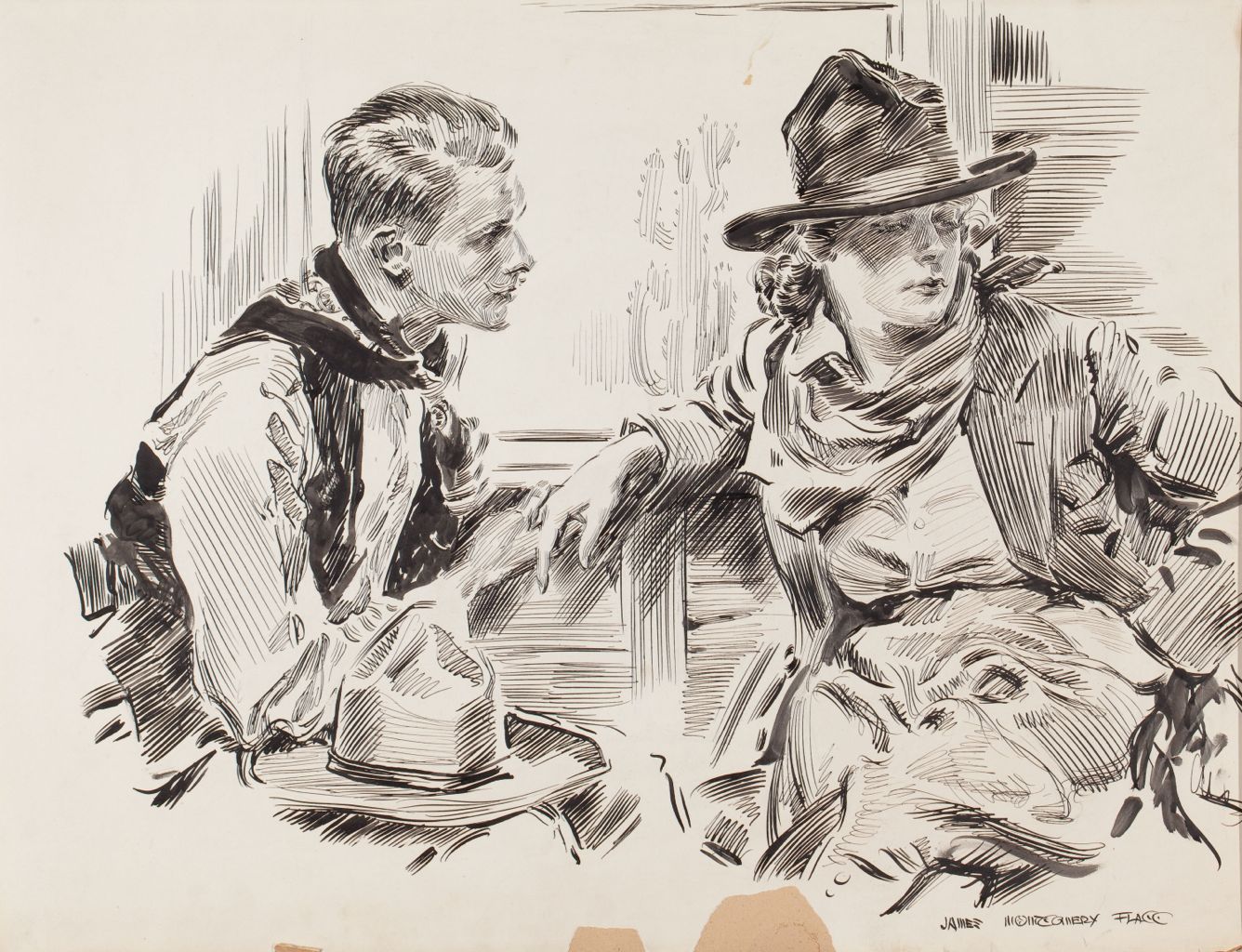
Click on the image to enlarge.
AN E. J. BELLOCQ FOR TODAY
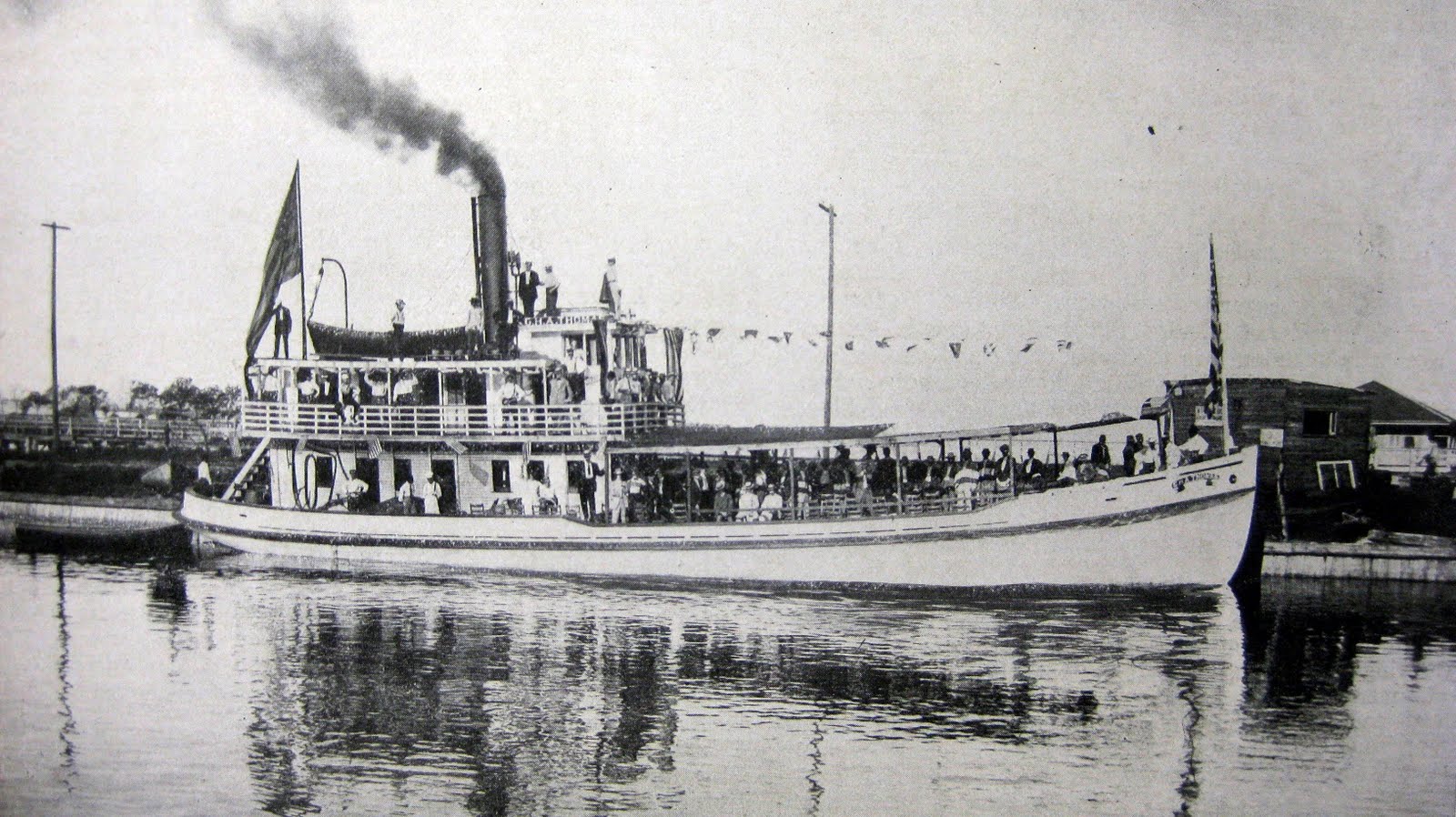
Although known today for his remarkable portraits of prostitutes in the Storyville district of New Orleans early in the last century, work he did for his own pleasure, E. J. Bellocq was a professional photographer as well. Not much of his official work remains, and what does doesn’t seem extraordinary, though it’s certainly evocative.
This is a boat docked at the New Basin Canal in 1908, preparing to take folks on an excursion around Lake Pontchartrain.
Click on the image to enlarge.
WHY THE WEST WAS WILD
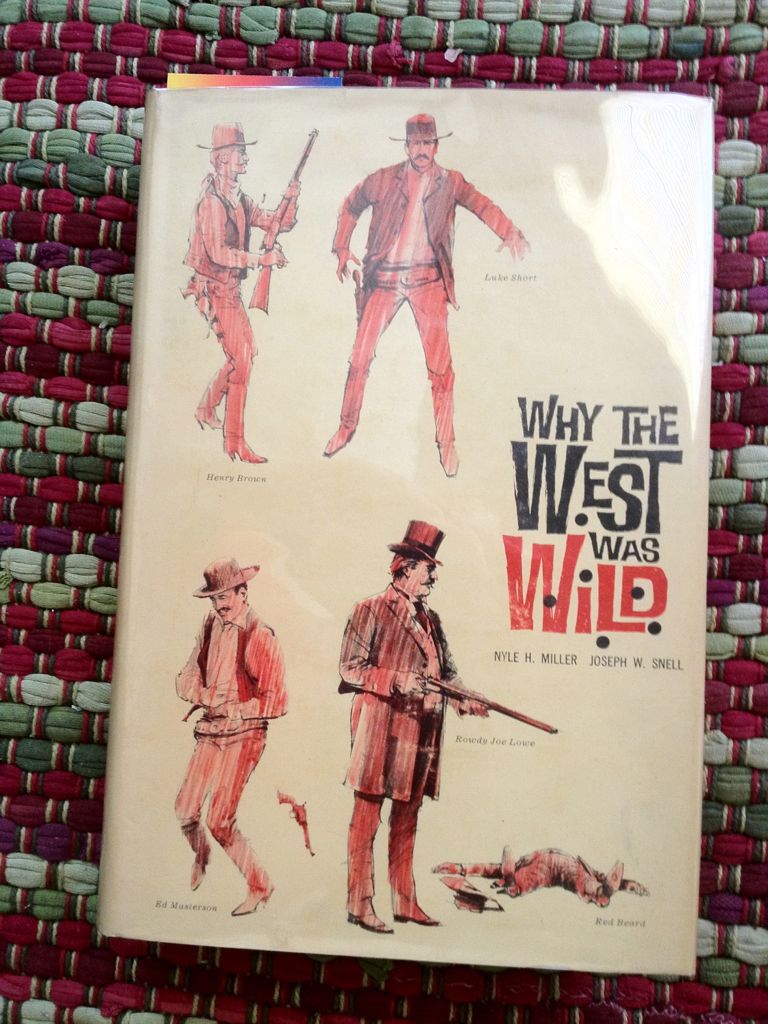
This is the best book ever written on the Old West. I’m tempted to say the best book ever edited on the Old West, because it consists primarily of contemporary documents, mostly newspaper reports but also letters and court transcripts — but the truth is that the documents are so well-selected and the terse commentary is so trenchant and learned, that it feels more composed than compiled.
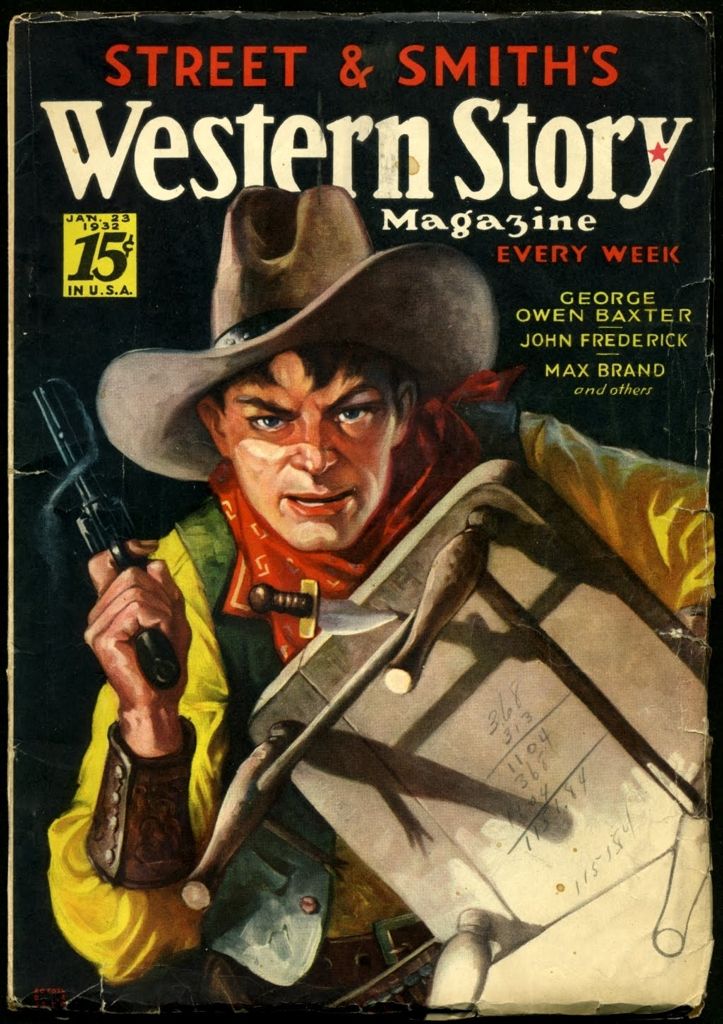
Almost everything written about the Old West has been fancied up and glamorized, even in the memoirs of people who helped make the history of the West. There has been an irresistible urge to feed the mythology that folks back east and later generations seemed to love and need so much.
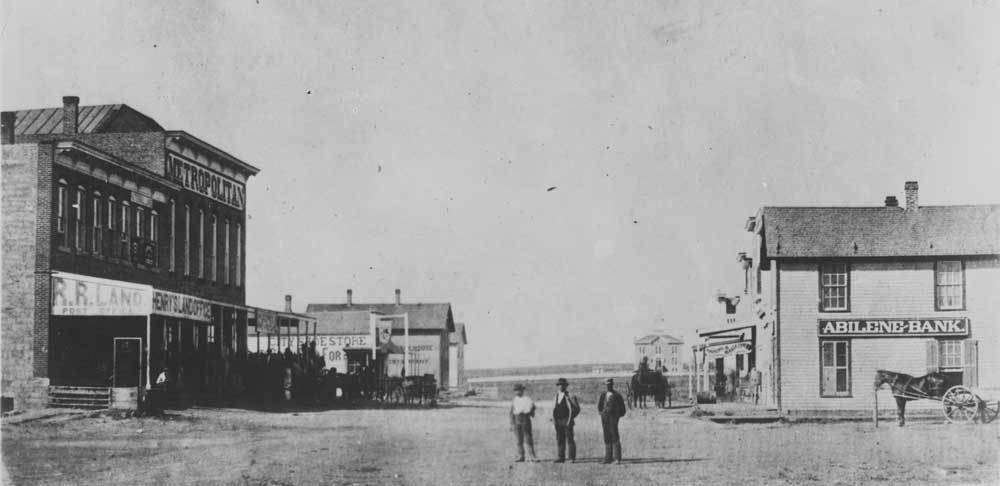
Why the West Was Wild is a record of the way it really was — harder, darker and way more surreal than the myths have allowed. Somewhat narrowly focused, it’s organized as a series of biographies of notable figures from the cow town years in Kansas — the late 1860s to the late 1880s — but those were the years and the region in which much of the mythology of the West was born.
Although it has the form of an encyclopedia or biographical dictionary, it reads like a collection of riveting short stories about a place and time we only think we know.
It’s still in print, from the University of Oklahoma Press.
Click on the images above to enlarge.