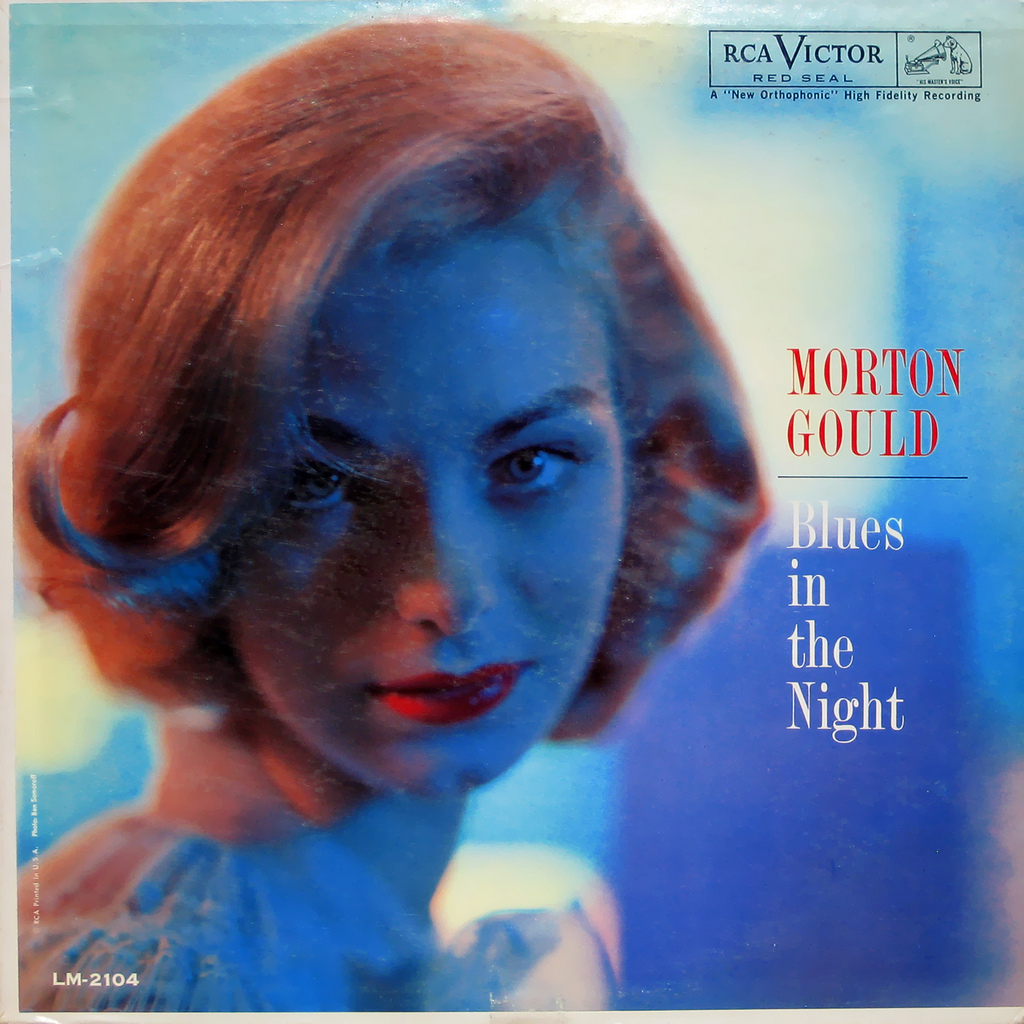
Click on the image to enlarge.
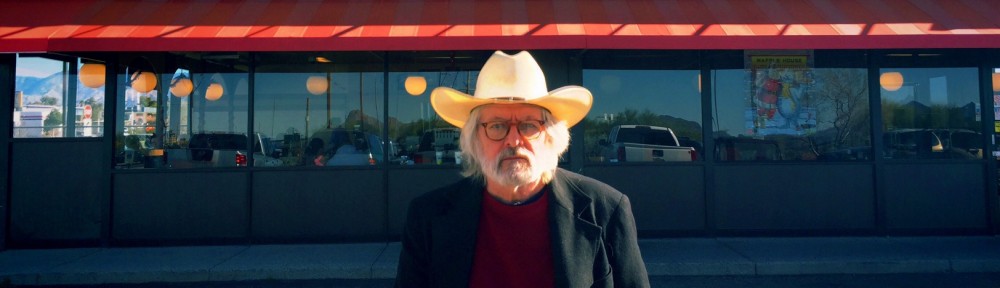

Click on the image to enlarge.
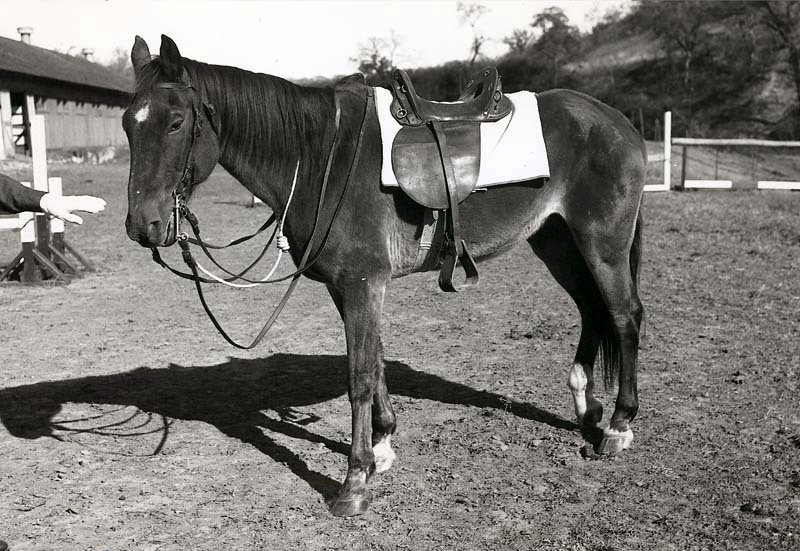
Chief was the last mount on the rolls of the U. S. Cavalry, officially eliminated as a branch of the U. S. Army in 1942. He spent his twilight years at Fort Riley, Kansas and died in 1968.
The McClellan saddle he’s wearing saw epic service, too. It was the standard-issue U. S. Cavalry saddle from shortly after the Civil War to the end of the arm’s existence. Hollywood bought up hundreds of surplus McClellans over the years, for use in Westerns featuring cavalry. In the 19th Century, the leather of the saddle was black, changed to brown in the 20th Century. The brown version is always seen in Hollywood films — a minor historical inaccuracy considering Hollywood’s scrupulousness about getting the style of the cavalry saddle right.
Click on the image to enlarge.
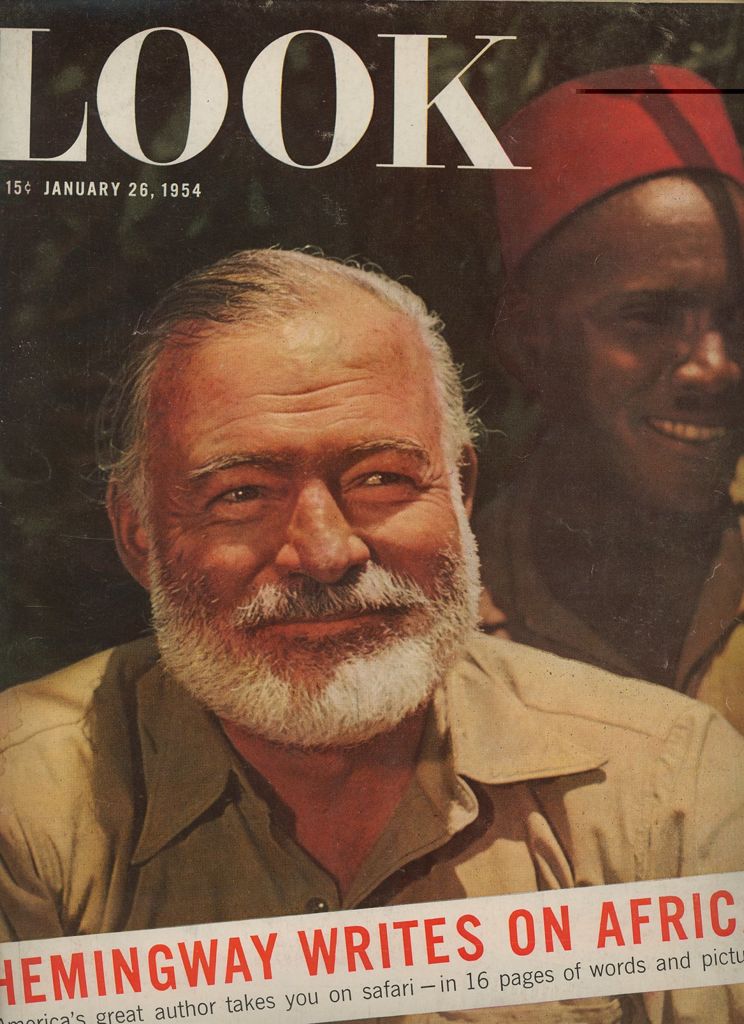
I nearly always drank beer for breakfast unless we were hunting lion. Beer before or at breakfast was a fine thing but it slowed you up, possibly a thousandth of a second. On the other hand it made things seem better sometimes when they were not too good and it was very good for you if you had stayed up too late and had gastric remorse.
— from Under Kilimanjaro
Click on the image to enlarge.
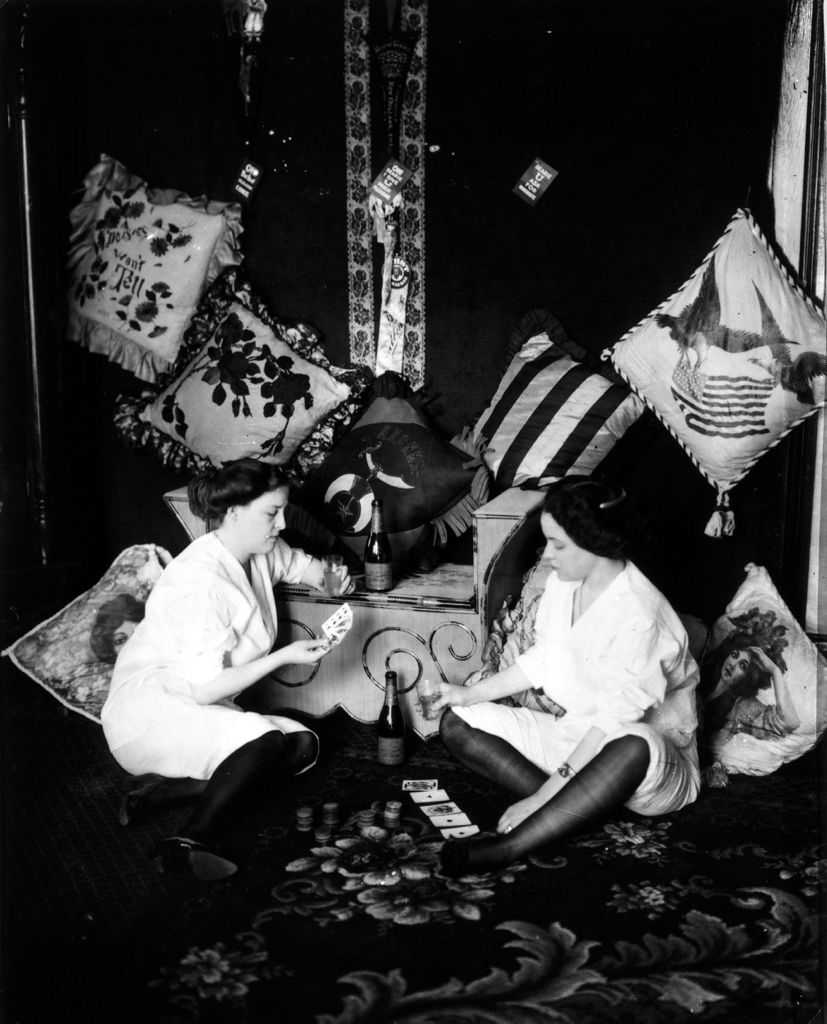
Prostitutes playing cards in a Storyville bordello.
Click on the image to enlarge.
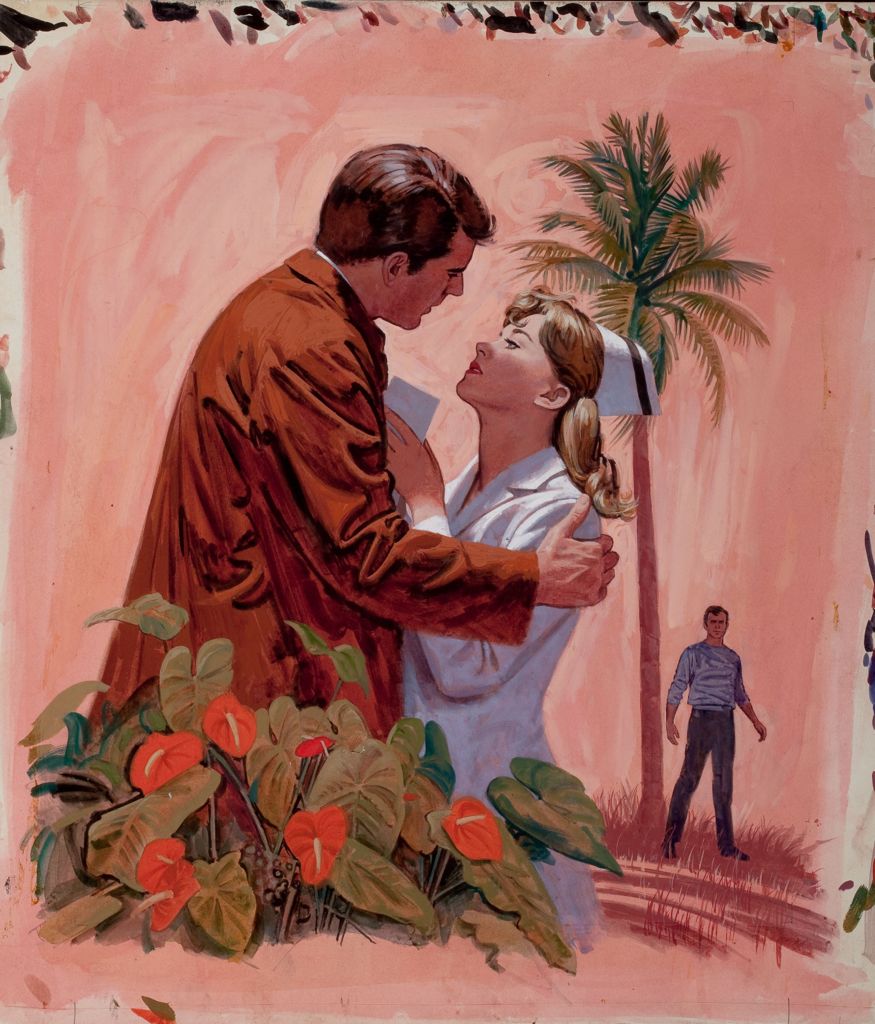
Nurse Transplanted, romance paperback cover, 1971.
The nurse’s face, which is what Koenig wants you to concentrate on, is sharply rendered. Everything else in the painting gets sketchier the farther it is from her face. This became a common technique when the style of story illustrations got looser in the Sixties and Seventies. It mirrored the increased use of shallow focus in movies, often achieved with telephoto lenses, as a stylistic device. It’s subtly done in Koenig’s image, and very effective — you notice the face before you notice the technique — which was not always the case with telephoto shots in movies of the same era.
Click on the image to enlarge.
Click on the image to enlarge.
Click on the image to enlarge.
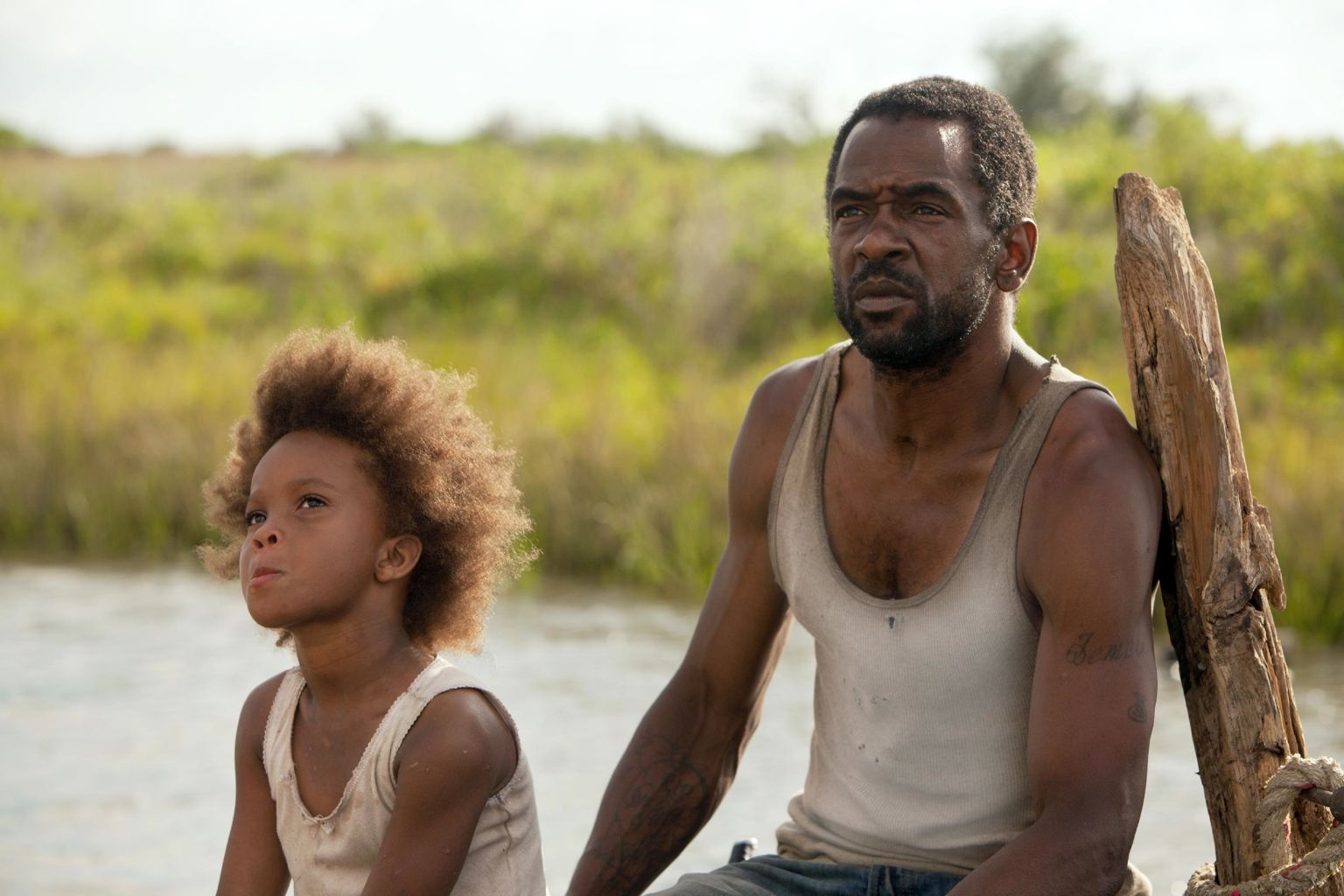
My nephew Harry Rossi, filmmaker, has this to say about Beasts Of the Southern Wild:
Click on the red text above to see Harry’s piece, click on the image to enlarge.
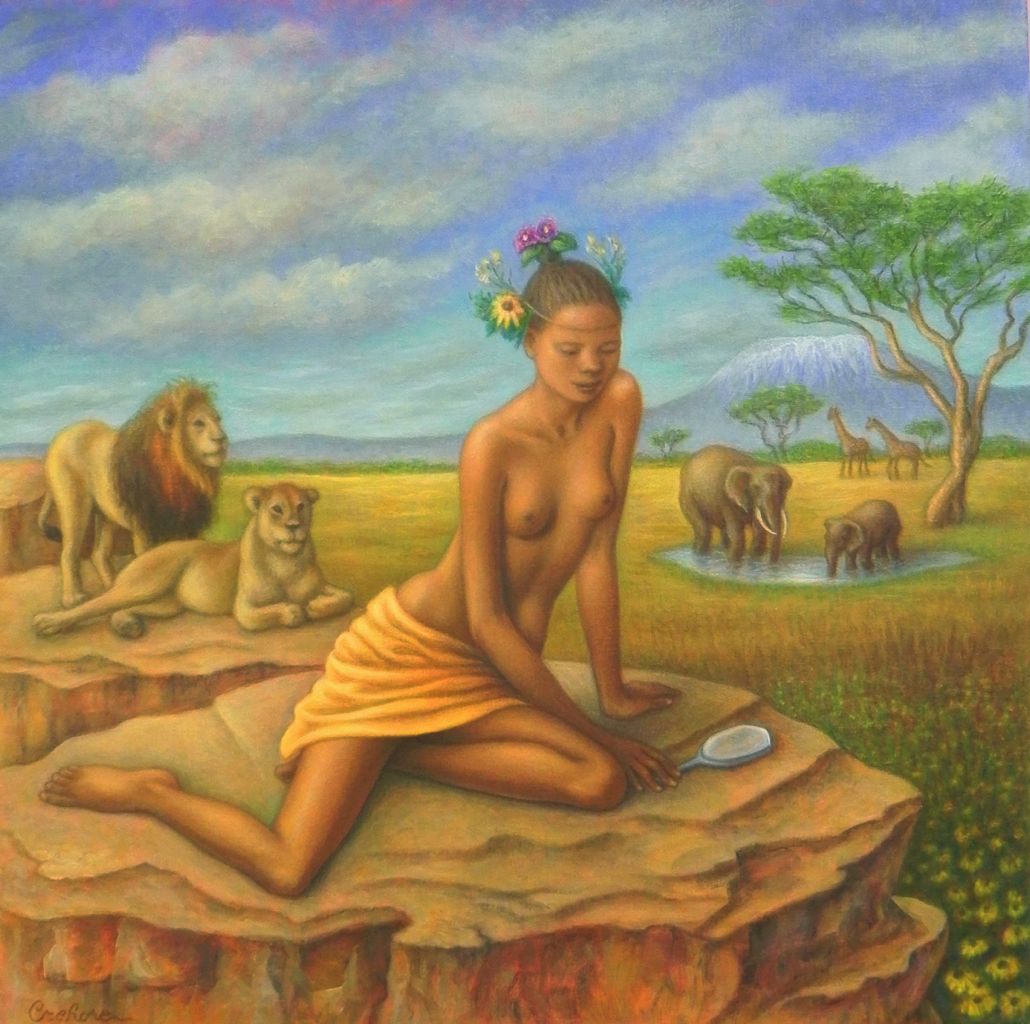
Amy Crehore has created a lot of magical images, but this one, Blue Mirror, is one of the loveliest. You can see it and other images from various sources at her blog Little Hokum Rag.
Image © 2012 Amy Crehore — click on it to enlarge.
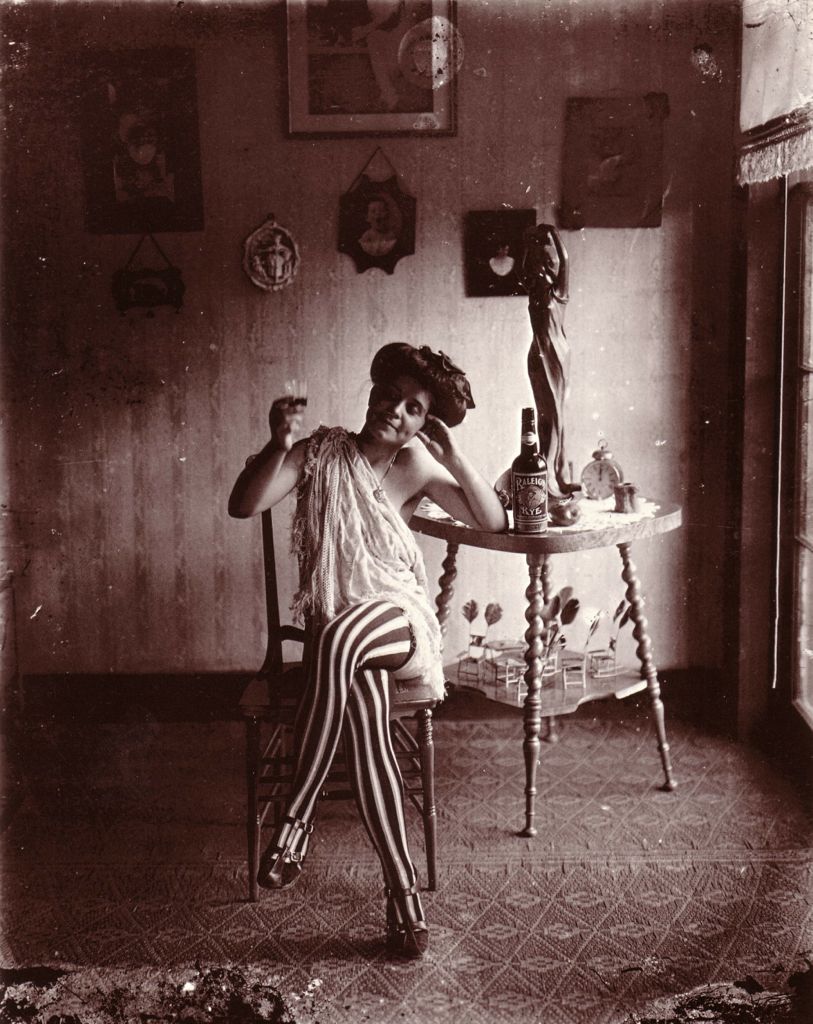
Ah, that Raleigh Rye . . .
Note the tiny furniture on the lower shelf of the table.
Click on the image to enlarge.
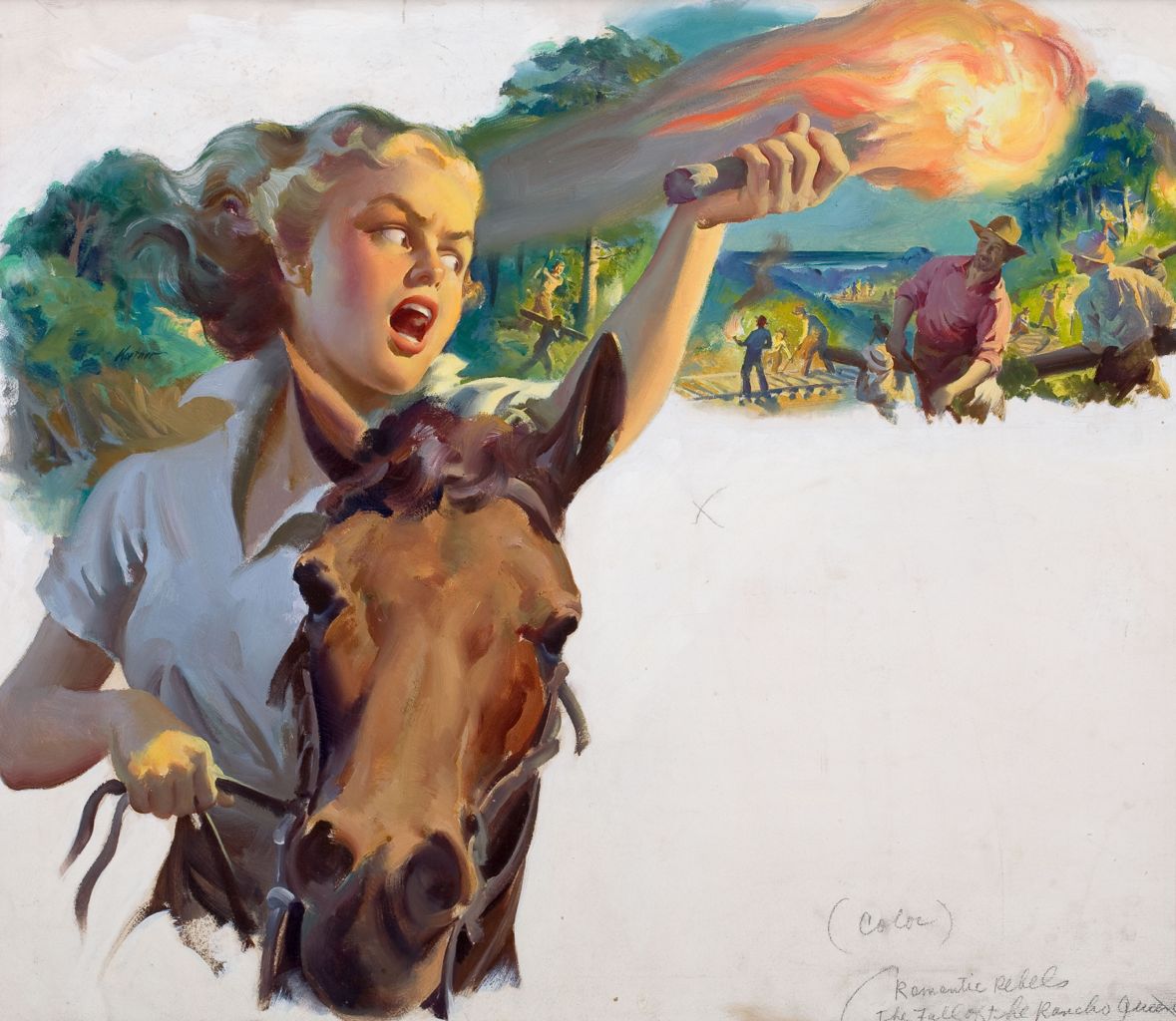
Magazine illustration for a story called Romantic Rebels: The Fall of the Rancho Queen.
Click on the image to enlarge.
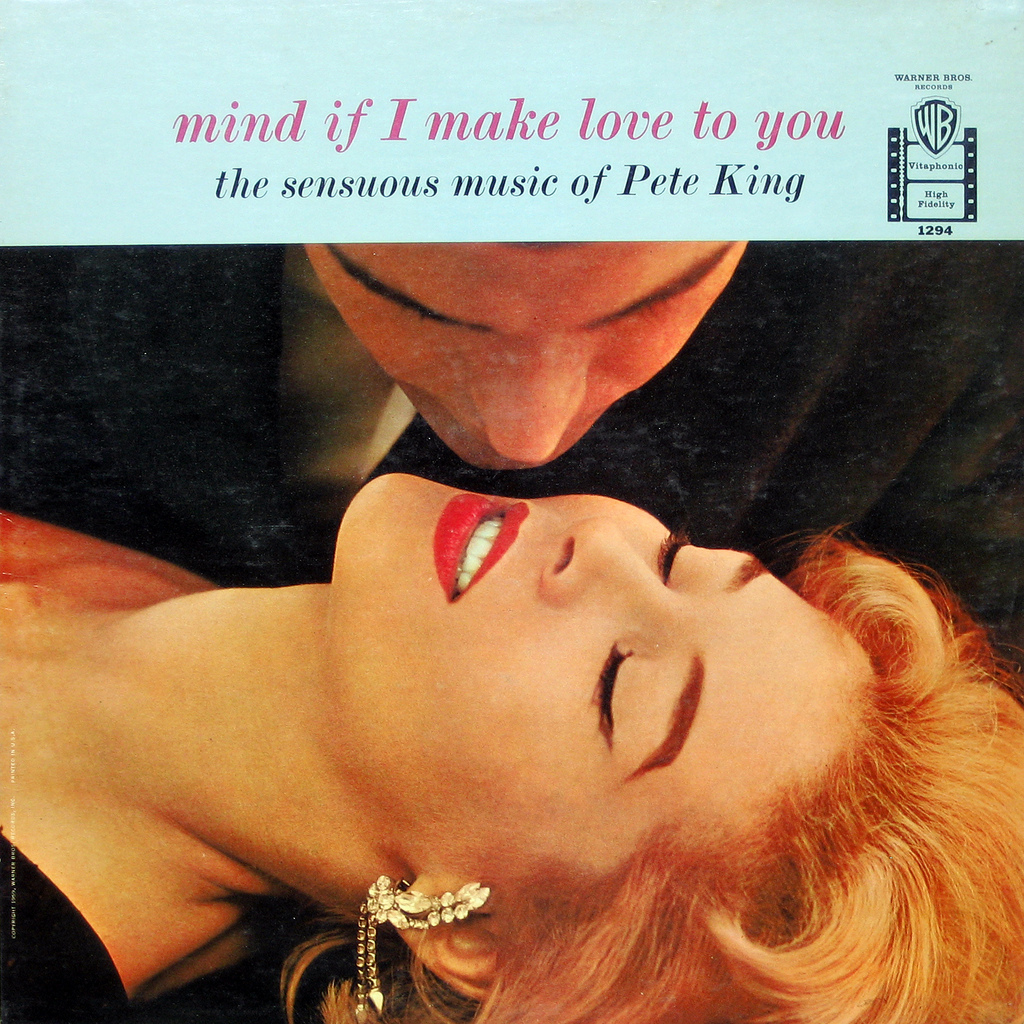
Click on the image to enlarge.
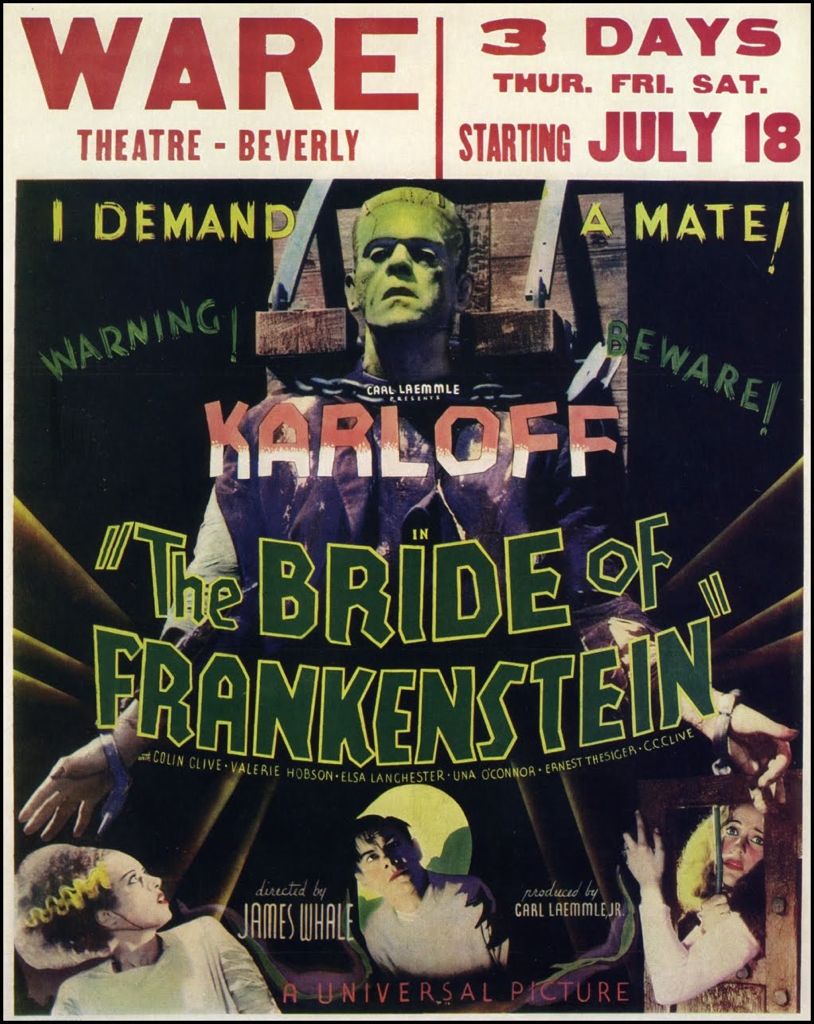
Click on the image to enlarge.
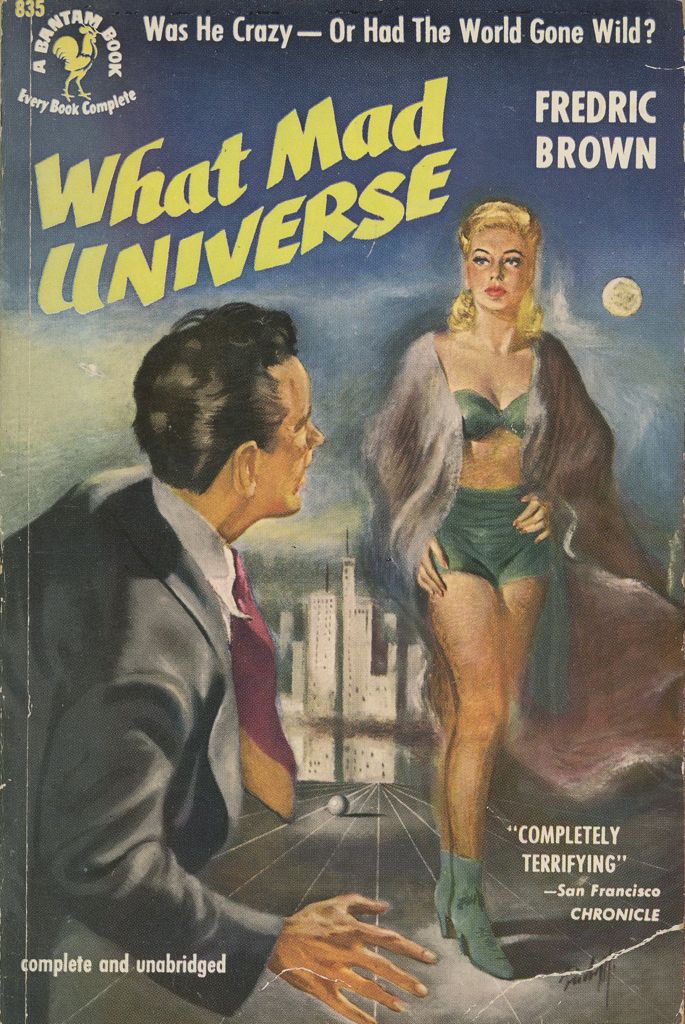
I am crazy — and the world has gone wild.
Click on the image to enlarge.
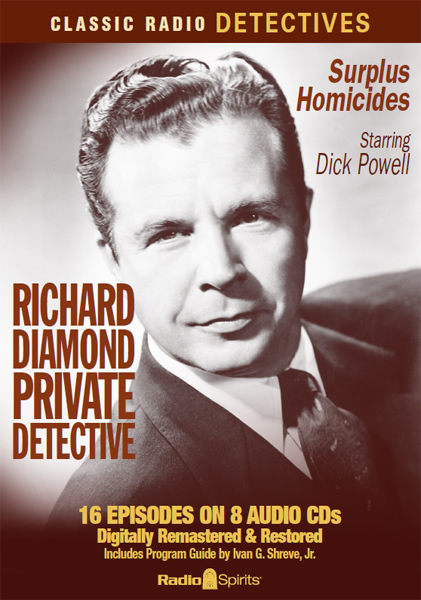
Just got this set of radio dramas from the late Forties and early Fifties, starring Dick Powell. Powell moved from boy-crooner star of musicals to heavier dramatic fare later in his career, in films and on radio. In Richard Diamond, Private Detective he’s a serious but blithely wisecracking gumshoe who ends each episode by singing a song to his girlfriend. Sounds tasty.
This collection, available here from Radio Spirits, venerable purveyor of old-time radio shows, includes lively and informative program notes by Ivan G. Shreve, Jr., whom many will know from his lively and informative blog Thrilling Days Of Yesteryear.
Can’t wait to explore the world of Mr. Diamond . . .