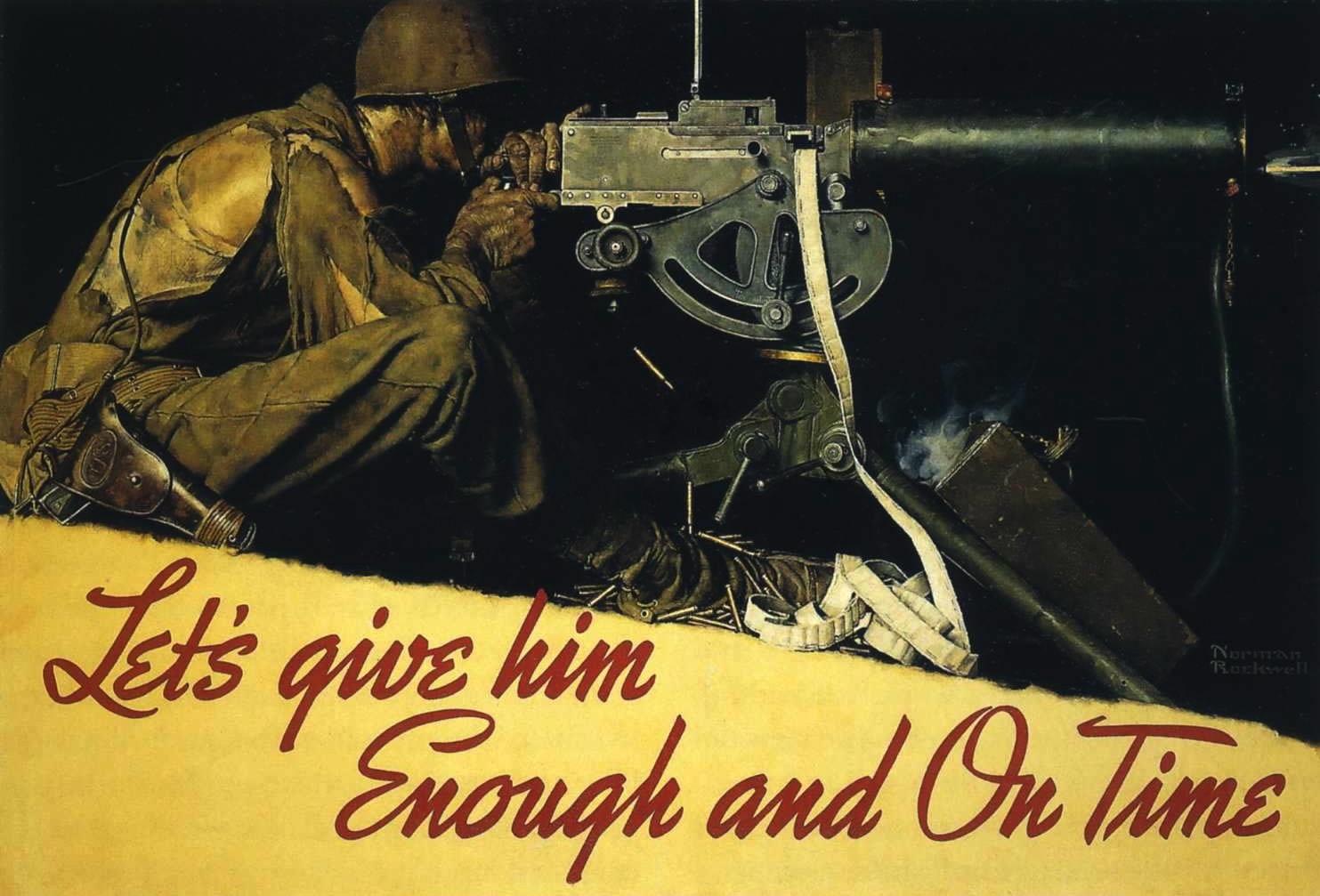
Click on the image to see it full size.
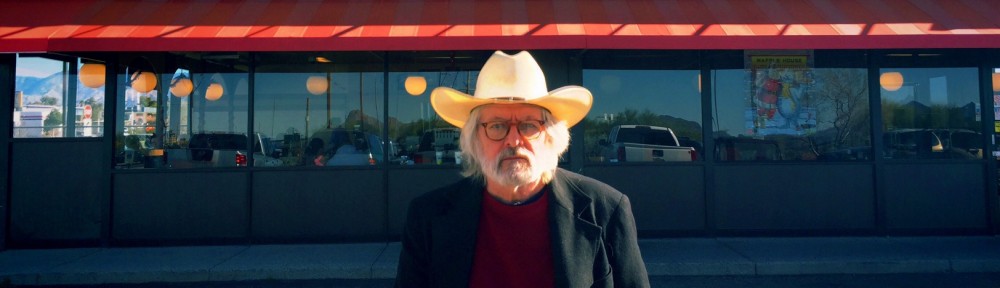

Click on the image to see it full size.
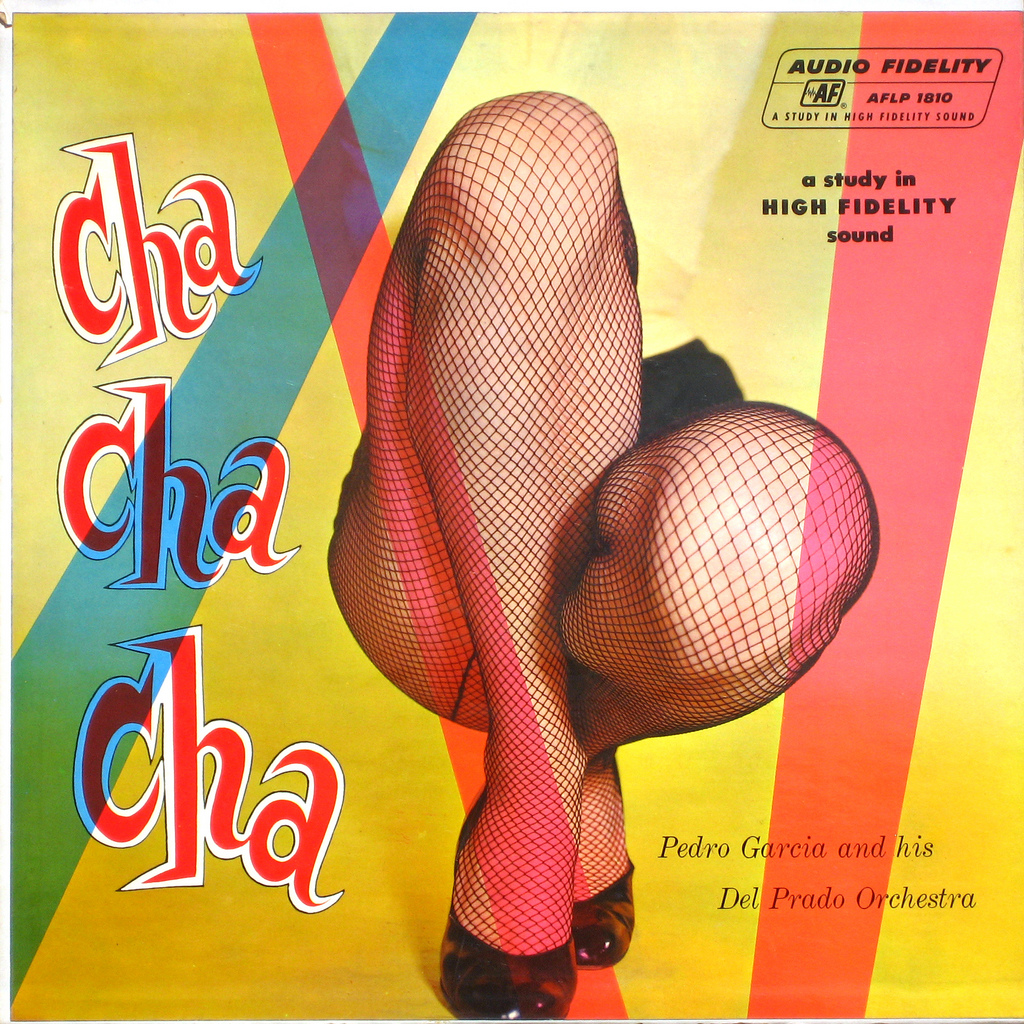
Click on the image to see it full size.
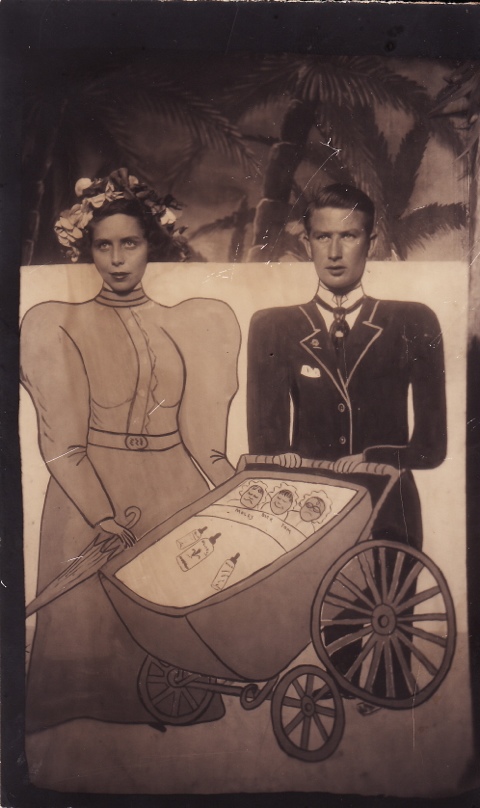
My mom and dad at the start of their marriage. They eventually had five kids, only three of which are previewed here.

I know not where His islands lift
Their fronded palms in air;
I only know I cannot drift
Beyond His love and care.
On Friday, the first day of the Jazz Fest, we headed straight for The Gospel Tent. Adrienne, Bill, Paul and I were going to meet up there with Corinne, Cotty and J. B., in from Los Angeles for the festivities. The Gospel Tent was chosen because one of Corinne’s favorite acts, encountered on earlier trips to the Fest, The Electrifying Crown Seekers, was starting off the day’s program at the venue.
The Crown Seekers were indeed electrifying and The Gospel Tent became a favorite refuge throughout our subsequent days at the festival. The music was invariably thrilling — soul-stirring, you might say — the tent had shade and chairs on which to rest one’s weary bones . . . and of course there was the good news:
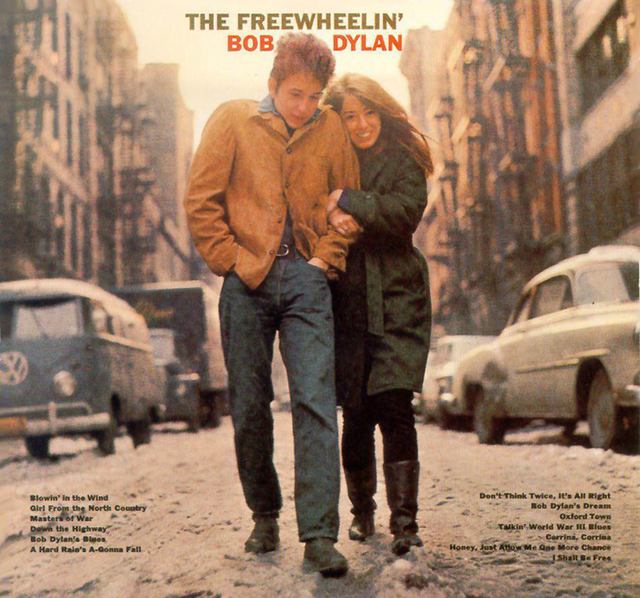
On this day in 1963, Dylan released his second album. As John Lennon once said in discussing The Freewheelin’ Bob Dylan, which reached the Beatles in their Paris hotel almost eight months after it came out, “I think it was the first time I ever heard Dylan at all . . . And for the rest of our three weeks in Paris, we didn’t stop playing it.”
[With thanks to Paul Pearson]

Joan Didion wrote:
A Kinkade painting typically featured a cottage or a house of such insistent coziness as to seem actually sinister, suggestive of a trap designed to attract Hansel and Gretel. Every window was lit, to lurid effect, as if the interior of the structure might be on fire.
I myself don’t feel a sinister aura in Kinkade’s work — the home pictured above seems like a cheerful and inviting place — but Didion at least identifies a kind of power in his images.
It’s interesting, too, that no homey refuges like the ones he depicted were accessible to Kinkade in real life. He suffered from depression, over money, over the reception of his work by critics and over a painful divorce. He struggled with alcohol addiction, had had a relapse just before he died, and the cause of his death was an accidental overdose of anti-anxiety medication and drink.

His images of well-lit, inviting homes are usually pictured from the outside, often with paths through the winter snow leading towards the warmth inside. He saw himself apparently as forever stalled on the path, like the deer in the image above, on the outside, dreaming of a comfort that would always be just beyond his reach.
Kinkade rarely created explicitly surreal images, but look at this one:
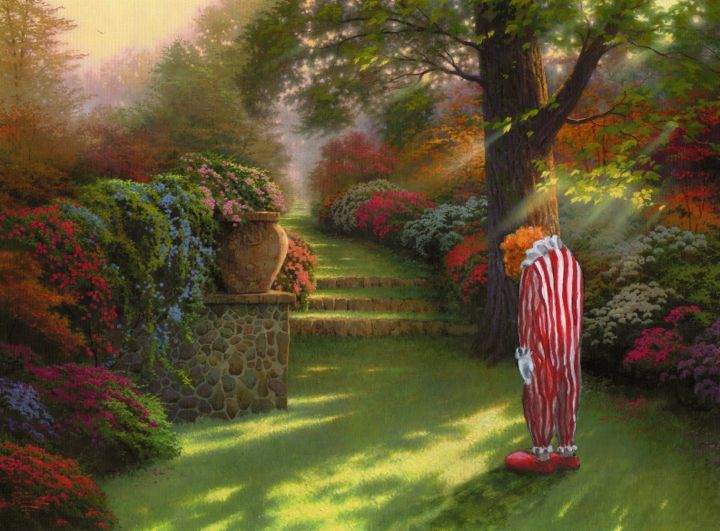
It’s not terribly compelling as a painting but it may well represent a deeply-felt self-portrait. It’s called Pathway To Paradise — a pathway the artist, in the person of a sad clown, feels he will never walk, is perhaps not worthy to walk.
[You can read some earlier thoughts on Kinkade, with interesting comments, here — Light.]
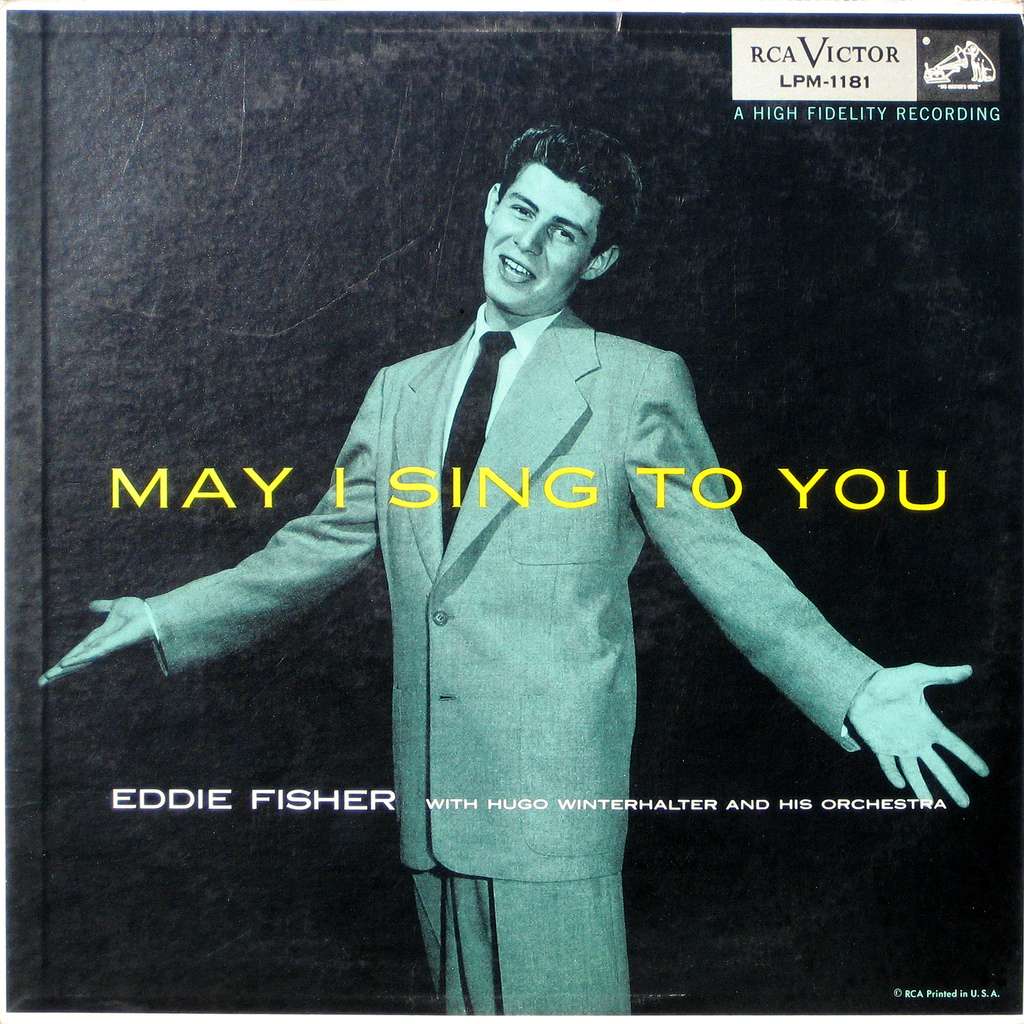
Sure — just not right now, thanks.
Click on the image to see it full size.

Click on the image or here to see something amazing.
This lip-dub musical number was staged as a surprise wedding proposal. As a gesture it’s heartbreakingly beautiful, but its also an exhilarating piece of cinema — it works because it’s all done in one shot, the performance tension just builds and builds, instead of getting dissipated in hysterical Baz Luhrmann or music video cutting. Hollywood once understood the power of elaborately choreographed musical numbers done in long takes — Busby Berkeley and the Freed Unit at MGM specialized in them — and people are still drawn to them, only now they have to make them themselves, because Hollywood is currently run by idiots.
This video will go viral because it’s so joyful and astonishing — the Hollywood mediocrity machine will take no notice.
The right trip, but . . .
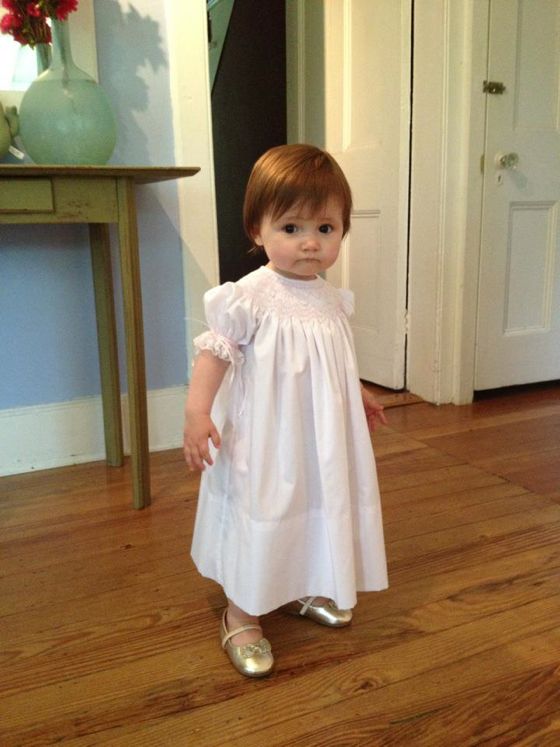
My grandmother made these for her daughters, my mom made them for her daughters, then for her granddaughters — now she makes them for her great granddaughter Stella Grace.
This is mom sporting her chic new haircut:
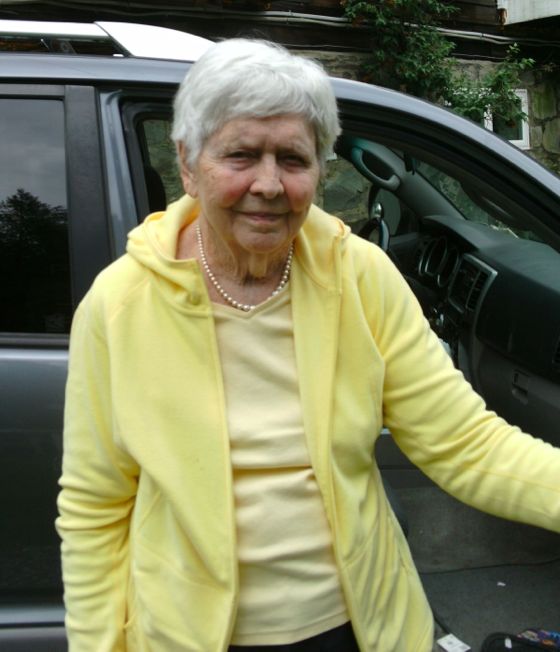
“First time in my life,” she says, “I have no curls.”

See?

. . . this will be shrimp ceviche!!!!!!!!!!!!!!!! Trust me on this.
Here’s a link to the recipe I use — Ceviche.