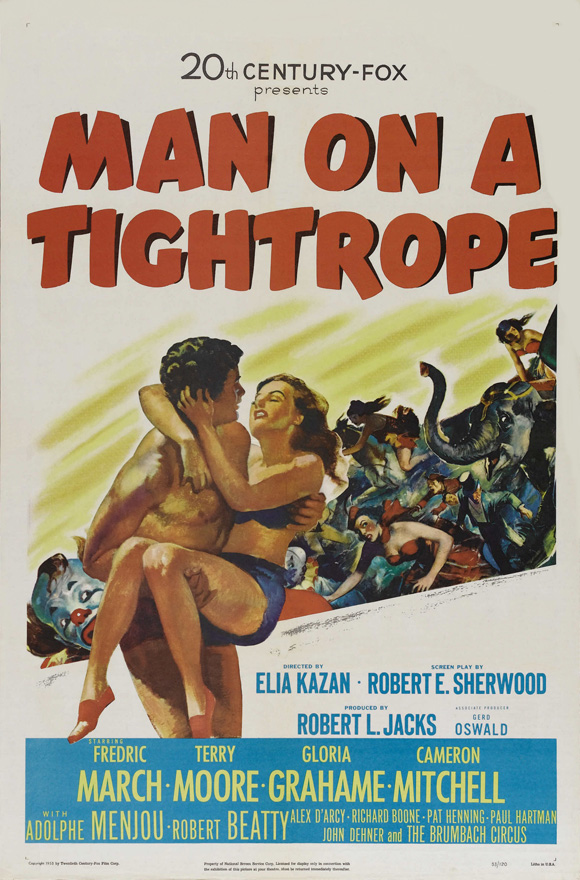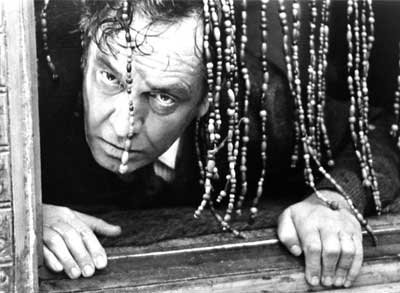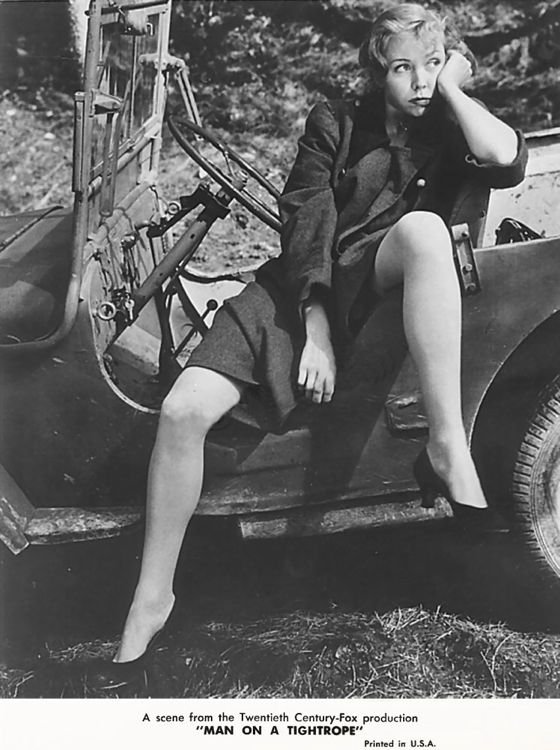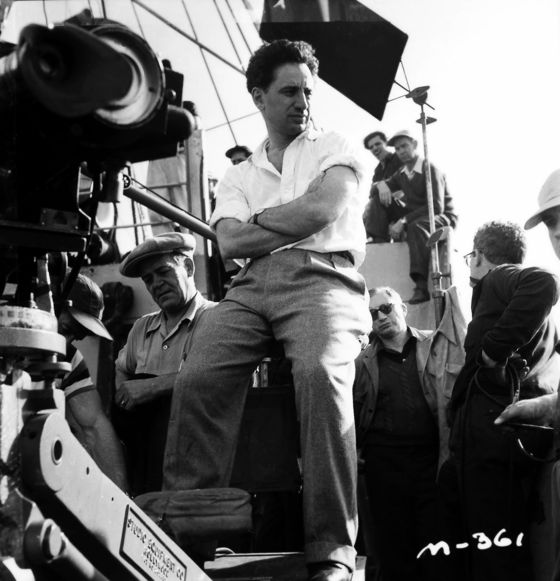
MAN ON A TIGHTROPE (1953)

I’d never even heard of Elia Kazan’s Man On A Tightrope until I encountered it in the new Elia Kazan Collection DVD box set, so I was a little surprised to discover that it’s a minor masterpiece.  Kazan dismisses it as a misfire in his autobiography, probably because Daryl Zanuck took it away from him and edited it himself.  Kazan didn’t like what Zanuck had done with it, and when it flopped at the box office, he may have just wanted to forget it.

It doesn’t deserve to be forgotten.


If Ingmar Bergman had ever made a cold-war thriller, it would probably have looked a lot like this film.  It’s about a shabby little circus troupe behind the Iron Curtain which plans to escape across the border to freedom in the West.  According to Kazan, Zanuck cut the picture to emphasize the suspense element, losing a lot of Kazan’s nuance and atmosphere, but the truth is that it works as a thriller and has plenty of nuance and atmosphere — beautiful and surreal images of the circus world that elevate the film into an eloquent metaphor for artists struggling to escape restraint.


Frederick March gives one of his best performances as the leader of the circus — quiet, understated, touching.  Gloria Graham is as vexing as she often was as his wayward wife and Adolph Menjou has a brief but effective turn as a Communist internal security operative.

The film was shot in Germany, mostly on location, and looks terrific, blending the poetic and the documentary with a sure eye.


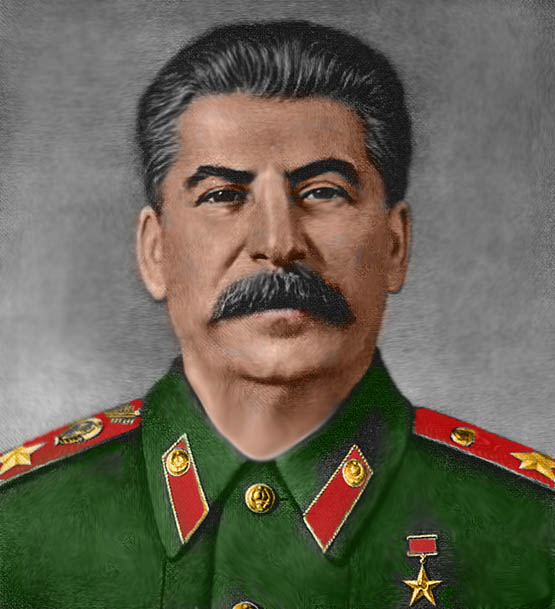
It was the first film Kazan made after naming names before HUAC and earning the eternal enmity of progressives, but the interference with the arts depicted in the film echoes the interference attempted on American soil by the members of the American Communist Party whom Kazan “betrayed” to HUAC.  It was this interference which caused Kazan himself to leave the Party in the 1930s, and Man On A Tightrope was a kind of defiant defense of his actions, then and later.  It reminds us that, however opportunistic and hypocritical the Communist witch hunters may have been, they were hunting real witches — real and ruthless apologists for Stalin and Stalinist methods.


That ought to be taken into account in judging Kazan for “ratting them out”, but none of it needs to be taken into account in appraising Man On A Tightrope, which is a fine and masterful work of art.

THE CIRCLE

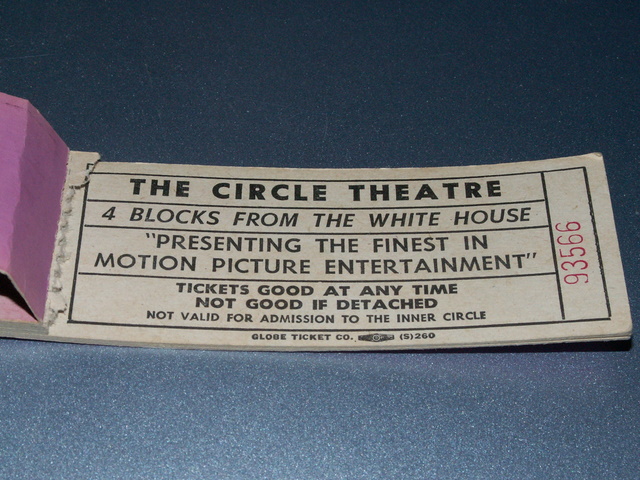
In a recent episode of PZ's Podcast, my friend Paul Zahl paid tribute to The Circle Theatre in Washington, D. C., a now vanished palace of dreams where he and I first encountered foreign films.  It was in the early 1960s and we were about 13 years-old at the time, living in an age before cable and home video, when finding “art films” required the sort of effort usually associated with obtaining illegal drugs or firearms.

I'm not really sure what drew us to The Circle, an art house cinema — we were monster movie fans at the time — or what we thought we would find there.  We didn't know anyone who either knew or cared much about “art films” and we certainly didn't know anyone who thought they were cool.  I know that what we did find at The Circle was a series of revelations about the possibilities of movies, and glimpses of adult sexuality, and the beginnings of lifelong passions for the French New Wave and the works of directors like Ingmar Bergman and Roberto Rossellini.


The Circle was demolished years ago and youth has long since fled, but the wonders we encountered at that theater remain as bright as when we first beheld them.

Listen to Paul's podcast here — The Circle.

TRUE MUSIC

Carter Burwell's score for the Coen brothers' True Grit is one of the finest of recent times — a score inseparable from the film's emotional impact and moral meaning.  It's therefore ironic, and actually insane, that it was deemed ineligible for an Academy Award for best score, because it is largely based on themes from old hymns.


From the time of Bach to the time of Bob Dylan, putting old tunes to new uses has been an important part of the work of many great composers.  It is, paradoxically, an endeavor in which a composer can most clearly demonstrate his or her originality.  Presenting familiar melodies to us in ways that renew them, allow us to hear them in new ways, requires a high degree of imaginative skill.
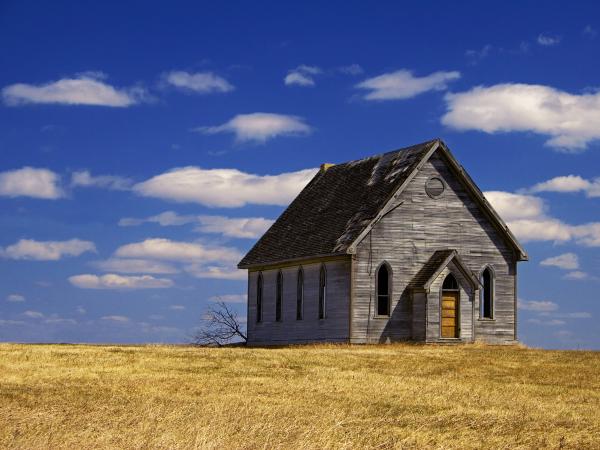


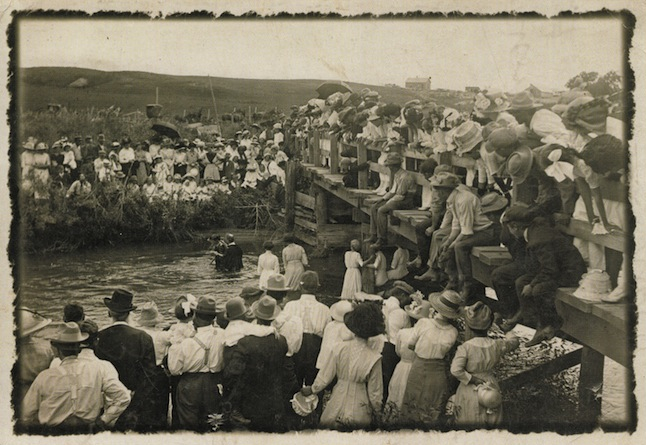
In his score for True Grit, Burwell works with hymns that are hardly central to the culture these days, but still linger in the collective memory.  He rings variations on their melodies that are intimately tied to the moods and themes of the film, and link the film to the musical heritage of America, as the film itself is rooted in the history of the nation and echoes the history of the Western film genre.
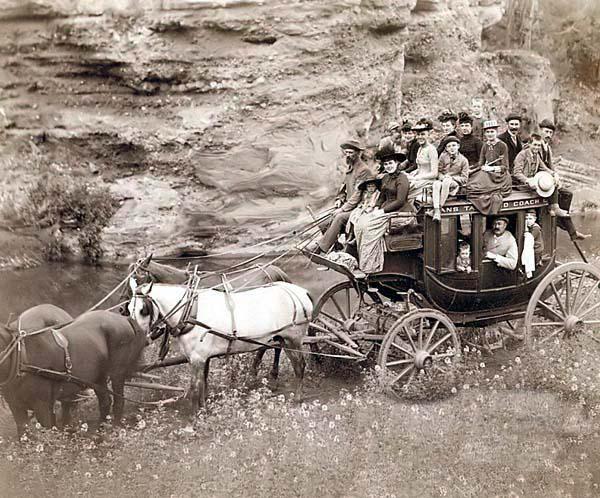


Burwell's elegant arrangements don't trade in nostalgia, however, but evoke the severe and demanding faith of 19th-century America — the faith of the film's central character, Mattie Ross.  They evoke the grandeur and the dignity of virtue and aspiration, not the narcosis of religious “comfort”.  They harken back, as the film does, to what Greil Marcus calls “the weird old America” — the funky, scary, endlessly strange America of a relentless, antic, eccentric people who dreamed majestic things and then cobbled them into existence by any means that came to hand.
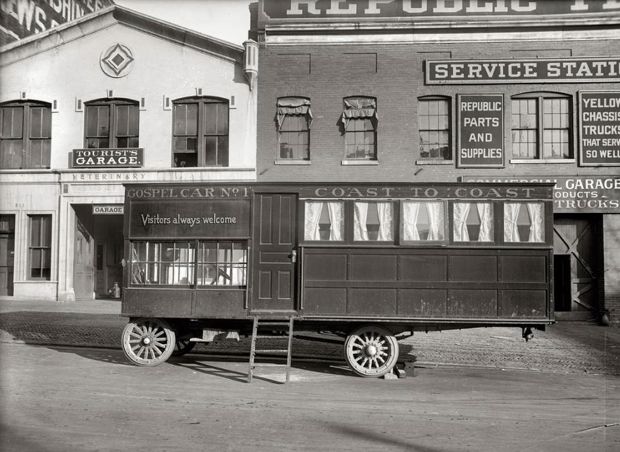


Burwell's arrangements have the flavor of the parish hall, of music made communally — simple and unadorned, but inexorable.  There is no hint of pastiche about them, or of antiquarian reconstruction — they channel the pure spirit of the frontier.
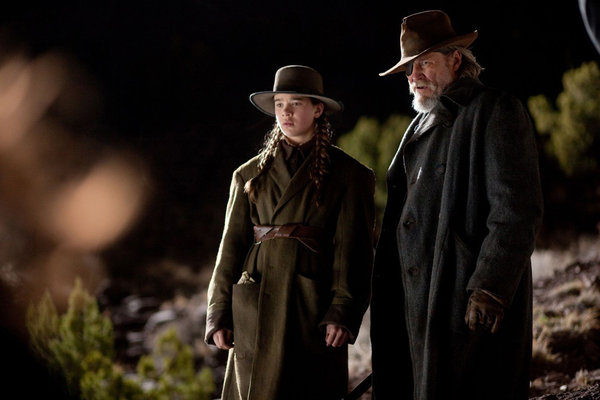


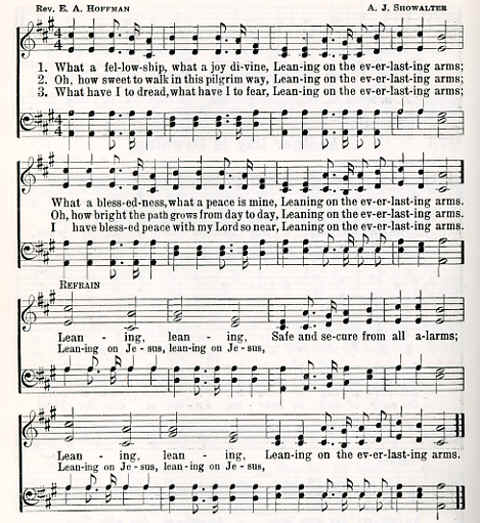
“Leaning On the Everlasting Arms” is the central hymn in the score — it is associated with the “father theme” of the film.  We hear it played on a piano over the opening shot of Mattie's murdered father, and then in moments when Rooster Cogburn and Ranger La Boeuf make emotional connections with Mattie, becoming the substitute fathers she so desperately needs.  This is an unspoken theme of the book and the movie — speaking it out loud would have turned True Grit into a Disney film, but speaking it in music offers a subliminal and potent emotional reinforcement.
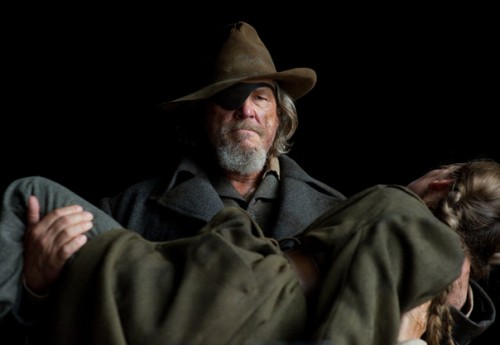


Wisely, Burwell doesn't use “Leaning On the Everlasting Arms” for the climactic set-pieces of the film — he switches gears to strike a bigger and more decisive note.  When Rooster rescues Mattie from the snake pit, Burwell uses the melody of “Hold On To God's Unchanging Hand”, which we've heard once before in Mattie's great moment of heroism when she swims Little Blackie across the river, and first earns Rooster's admiration (although he admits to admiration only for her horse.)
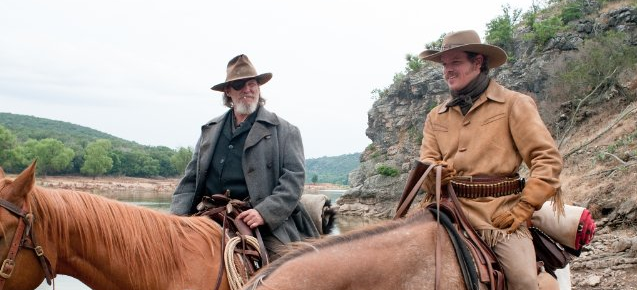


The orchestration in the river crossing scene
is grand and noble, almost stately. It does not try to sell the excitement
and danger and suspense of what Mattie is doing, but to emphasize the
magnificence of her courage.  It seems to summon up the whole epic sweep
of America's westward progress, and the thrill of every river crossing
in the history of Westerns.  It's music that orients us morally to the
scene it's accompanying.


Using the theme again in the snake pit scene reminds us that Rooster's heroism there is on some level a response to Mattie's heroism — an attempt to honor it.
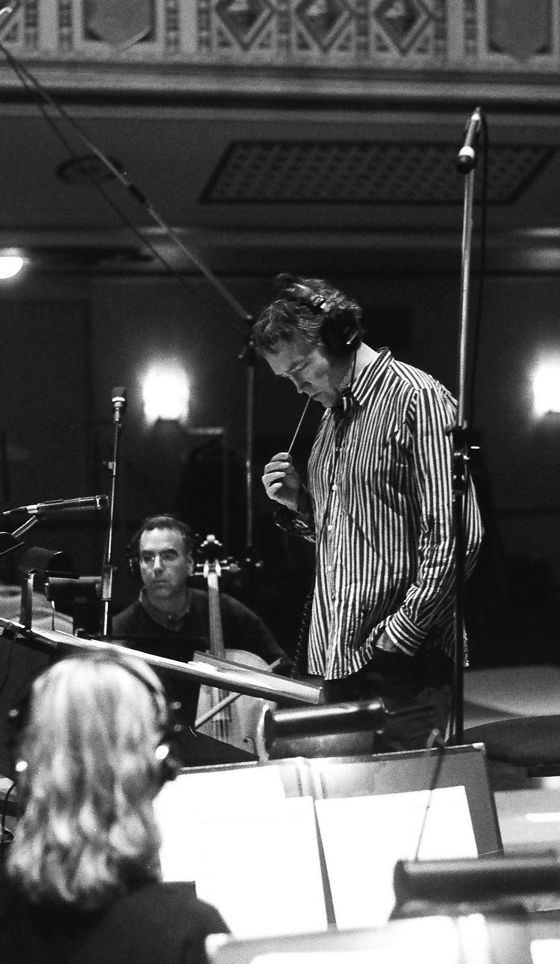


Film scores, especially today, don't often provide this sort of complex resonance with a film's themes — they usually just underline the immediate sensations of the scene in front of us.  Burwell is collaborating with the Coens on a profound level here — making the score a participant in the construction of the meaning of the film.  It's a stunning achievement, and the Academy has disgraced itself by failing to appreciate it.
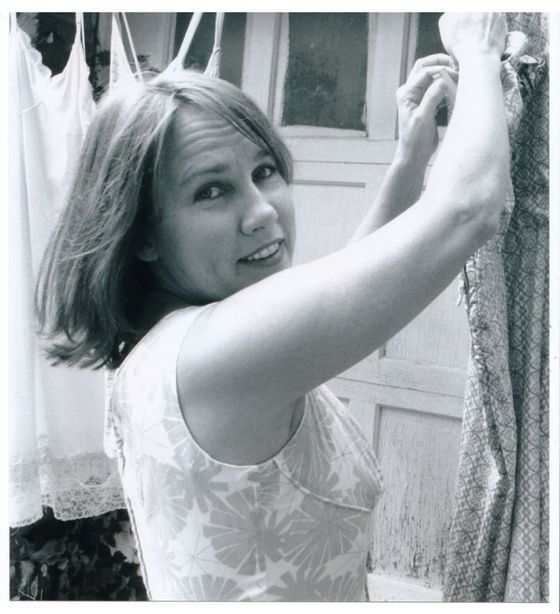


Burwell or the Coens made an inspired choice by playing Iris Dement's recording of “Leaning On the Everlasting Arms” at the film's close.  Her performance is very powerful, accompanied by a simple piano and guitar arrangement.  Her vocal is both raw, down-home, and beautiful, soaring — she seems to be singing to us from the heart of the 19th Century.
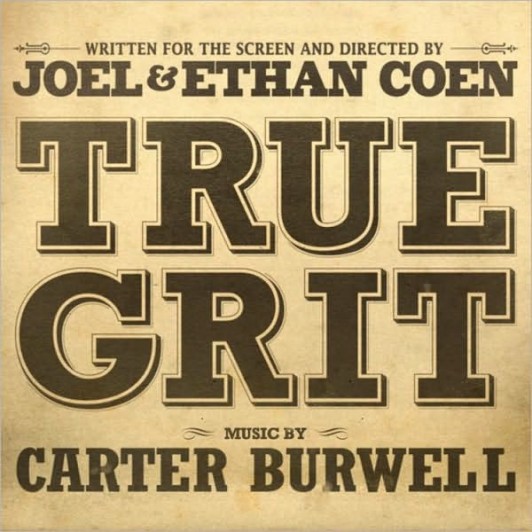


The score is a fine one to listen to on its own, but for some reason the soundtrack CD doesn't include the Dement recording.  It's included as a bonus if you buy the album on iTunes, but only in the abridged version used in the film itself.  For the full recording, it's worth tracking down Dement's album of sacred songs, Lifeline, which also features a sublime version of “Near the Cross”.
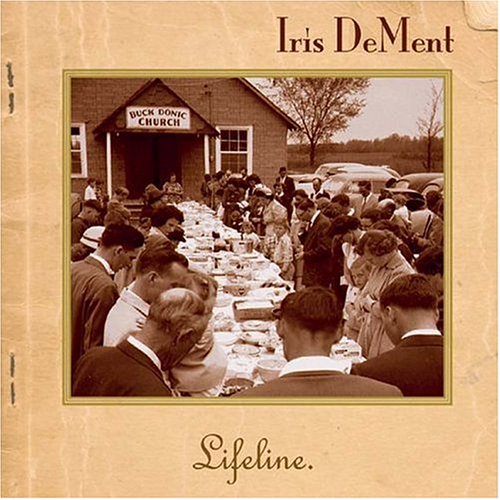


In her liner notes for Lifeline, Dement says, “These songs aren't about religion.  At least to me they aren't.  They're about something bigger than that.”  The same might be said of the hymn tunes Burwell has adapted so brilliantly in his True Grit score.  They resonate on many different levels at once, as the music for any great film score does.

PORTRAIT

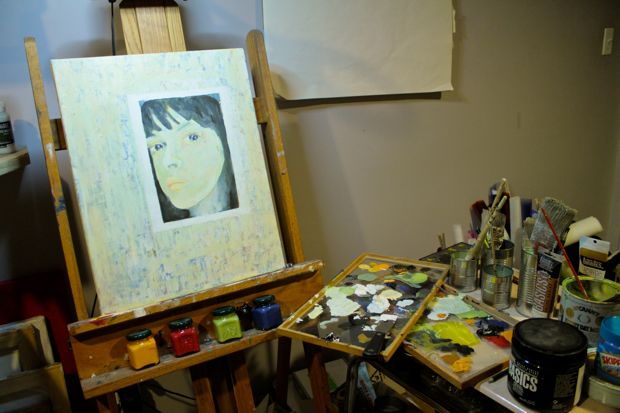
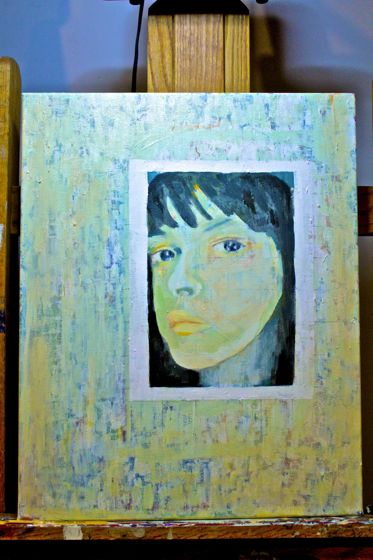
Jae Song, a great cinematographer and director, is also a fine painter.  He abandoned his painting for many years, but took it up again recently, and this portrait resulted.

Very cool.

GRIT TIMES THREE

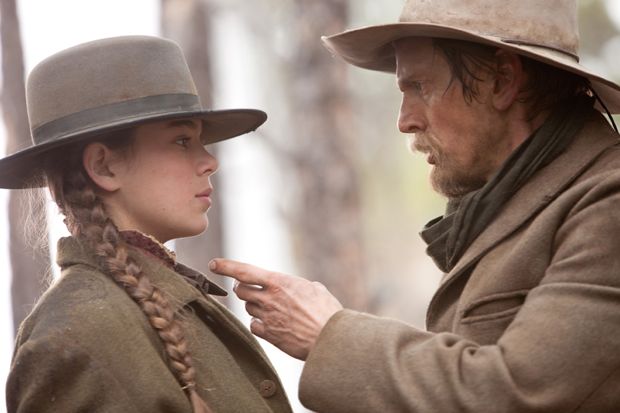
                                                                                             [Image © The Los Angeles Times]

I’ve seen True Grit three times now.  I
liked it better the second time than the first, and I liked it better
the third time than the second — although on the third viewing I managed
not to cry until the very end.

I saw the film at three
different theaters, each of which had digital projection.  At the first
two theaters the image looked mushy at times, and slightly washed out
in certain scenes.  I assumed this was due to the digital nature of the
presentation, but it wasn’t that, because at the last theater the film
looked spectacular — almost like a photochemical print.  I could tell
that the movie was beautifully composed and lit on my first two
viewings, but on the third I really got to enjoy the beauty of it in a
more sensual way.


Hailee Steinfeld’s performance seemed
richer and more nuanced this time.  The Coens obviously steered her
into doing less than she might have — going for bigger effects might
have exposed her inexperience as an actor — but holding back was also
right for the role.  Once you realize how perfectly pitched her
performance is, how complex her reactions really are, you start paying
closer attention to her, and reacting more emotionally to what she’s
doing.

I loved sitting through the previews this time,
because they were so ghastly, like transmissions from another universe
than the one True Grit inhabits.  All the “coming
attractions” looked like movies that have already been made, over and
over again — the products of that eternal circle-jerk that is
modern-day Hollywood.  When True Grit comes on, you see an
original work of art — based on a novel, and the second film version
of that novel, but alive with new invention and new energy.  It’s a
film that will always be brand new.

I think it’s one of the greatest Westerns ever made, worthy of Mann and Boetticher and even Ford — yes . . . even Ford.

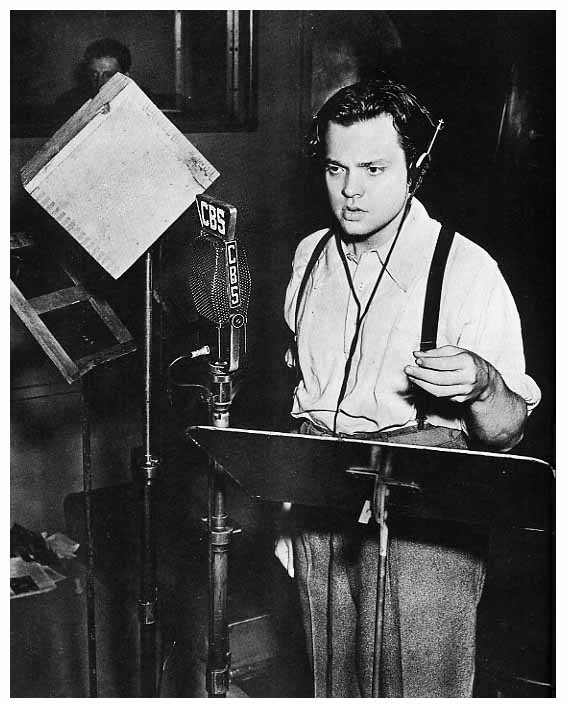
ORSON WELLES ON THE AIR: THE PICKWICK PAPERS

Gather the household around, dim the lights, click here — then sit back and enjoy the radio theater of Orson Welles.

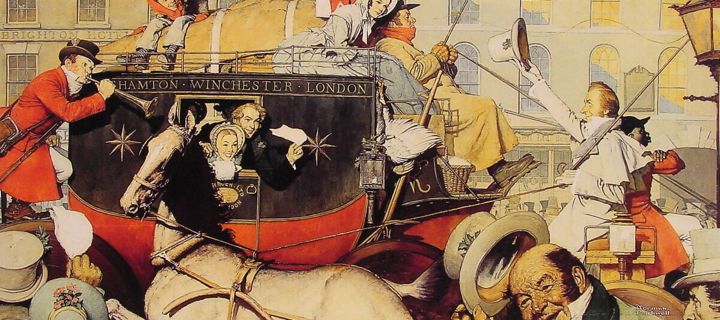
This week — “The Pickwick Papers” . . .

This adaptation of the Dickens classic concluded the first season of Welles's Mercury Theater On the Air.  Welles's radio show had initially been offered by CBS as a “sustaining program”, that is, without sponsorship, as a prestige project for the network and its affiliates, but Welles's sensational “War Of the Worlds” broadcast, on 30 October 1938, gained the show national notoriety and a sponsor — Campbell's Soup.  In its second season, the show was renamed The Campbell Playhouse.

It was, under both names, one of the greatest achievements of the radio medium.


This show will only be on the site for a short while so download it if you can't listen to it right away, and if you've enjoyed these shows from the first season, check out the rest of Welles's remarkable work for radio, easily available today on the Internet.


[You can get more information on Welles's radio work and listen to or
download many of his broadcasts for free here — The Mercury Theater On the Air.  Many more broadcasts
can be downloaded for free at The Internet Archive
If you get hooked, you can buy a remarkable collection of almost all of
Welles' radio work, as both actor and director, in MP3 format on 7 CDs
at OTRCat — which also offers the discs separately.]

THE EXPLORERS CLUB


                                                                                                          [Image © Michelle Enemark]

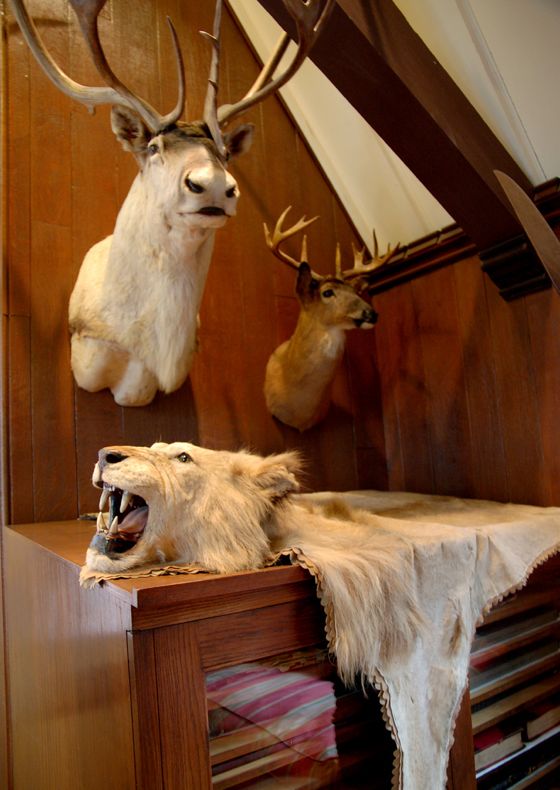
Great report (from a great blog) about The Explorers Club in New York City — with cool photos.

A HOWARD PYLE FOR TODAY

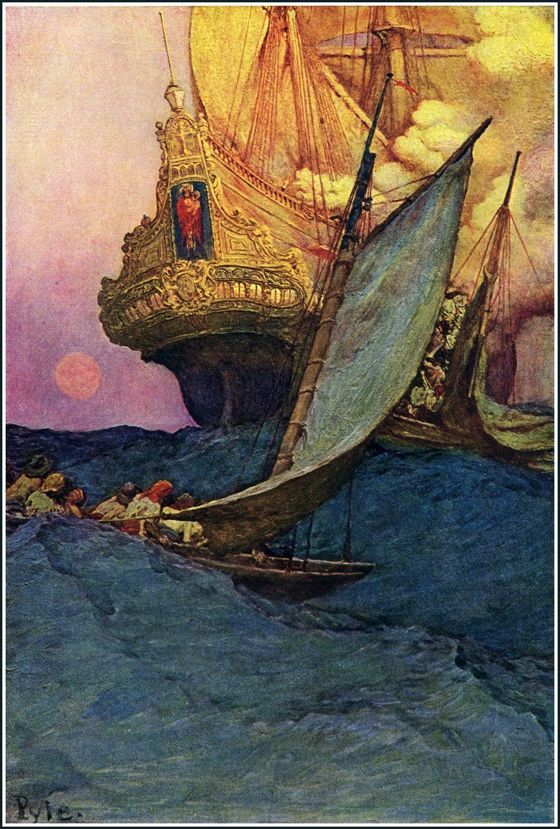
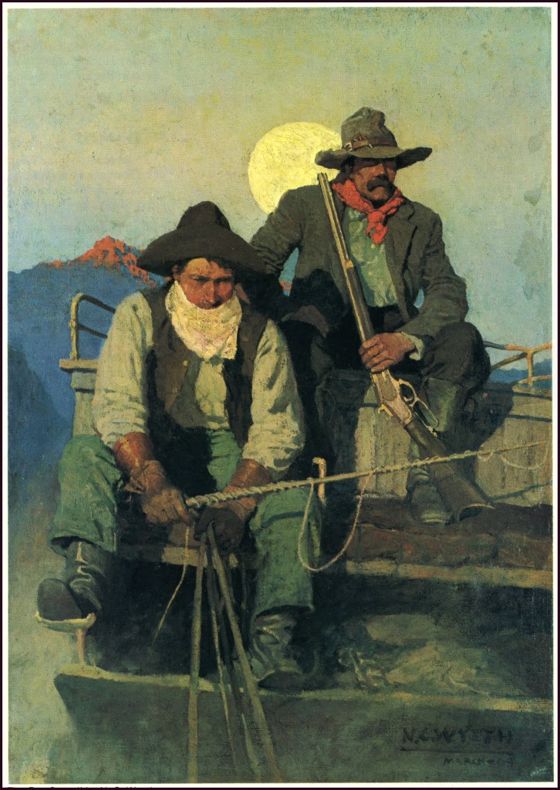
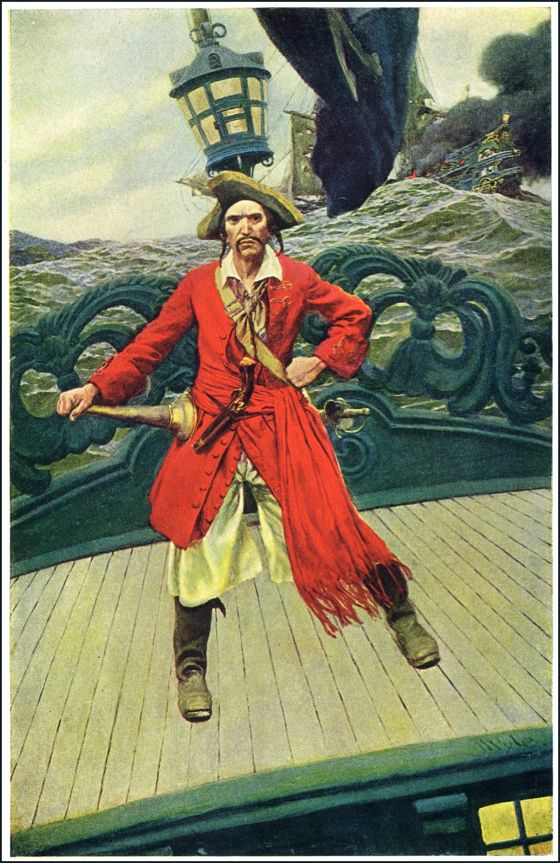
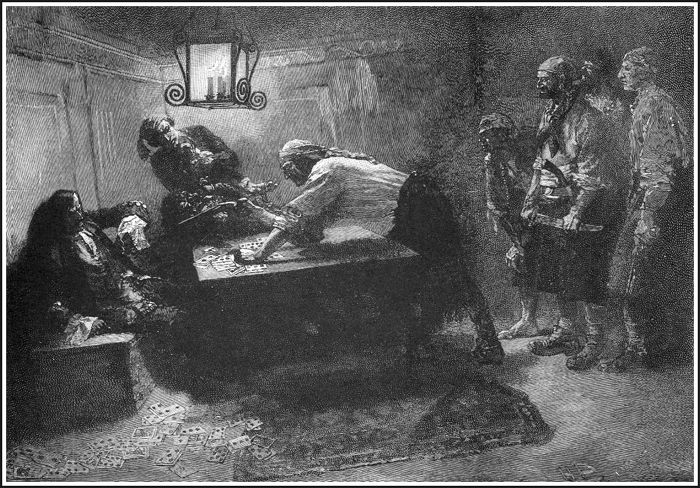
As kids, Joel and Ethan Coen were obsessed with the works of Howard Pyle and his disciple N. C. Wyeth.  They were especially fond of the image above, one of those collected, after Pyle's death, in Howard Pyle's Book Of Pirates.  They reconstructed a version of the scene in True Grit — in the cabin where Rooster and Mattie are holding the two captured outlaws.


Pyle was a very great artist, and once highly regarded — Vincent van Gogh told his brother that Pyle's work struck him dumb with admiration.  He is not as well regarded today — there are no first-class collections of his work in print — but Victorian academic art continues to inform the great visual artists of the cinema, if only at second or third hand.  John Ford would have known Pyle's work well, and if the look of True Grit reminds you of the look of a Ford film, it's in part because Ford and the Coens all learned from the dynamic and dramatic compositions of Pyle and his followers, so powerfully “cinematic” in their effects.